SOUTH AMERICA
Ancient cities. Giant waterfalls. Patagonian peaks. Colourful streets. And enough adventure to fill considerably more than one holiday.
SOUTH AMERICA
South America is a continent that seems to have been designed for people who come home from one holiday already thinking about the next.
You might start with Peru because seeing Machu Picchu has been sitting on your wish list for years. Then Brazil starts tempting you with Rio and those enormous beaches, Argentina appears with Patagonia and wine and suddenly Colombia's colourful Caribbean cities are looking rather appealing too.
Before long, what started as a perfectly sensible two-week holiday has somehow turned into a six-month tour of the continent.
South America has some of the world's greatest natural landscapes, from the Amazon rainforest and Andes Mountains to enormous glaciers, deserts, waterfalls and tropical beaches. Its cities are colourful, energetic and packed with character while thousands of years of indigenous history sit alongside Spanish and Portuguese influences.
Then there is the food, music, wildlife and the small matter of several rather excellent wine regions.
Whether you want adventure, culture, beaches, wildlife or the sort of scenery that makes you repeatedly stop and stare, South America has somewhere that will tempt you.
Brazil
Brazil doesn't exactly ease you gently into South America.
The cities are enormous, the beaches seem endless, the rainforest covers an extraordinary amount of land and even the waterfalls appear to have been designed on a slightly excessive scale.
Rio de Janeiro is the obvious place to begin.
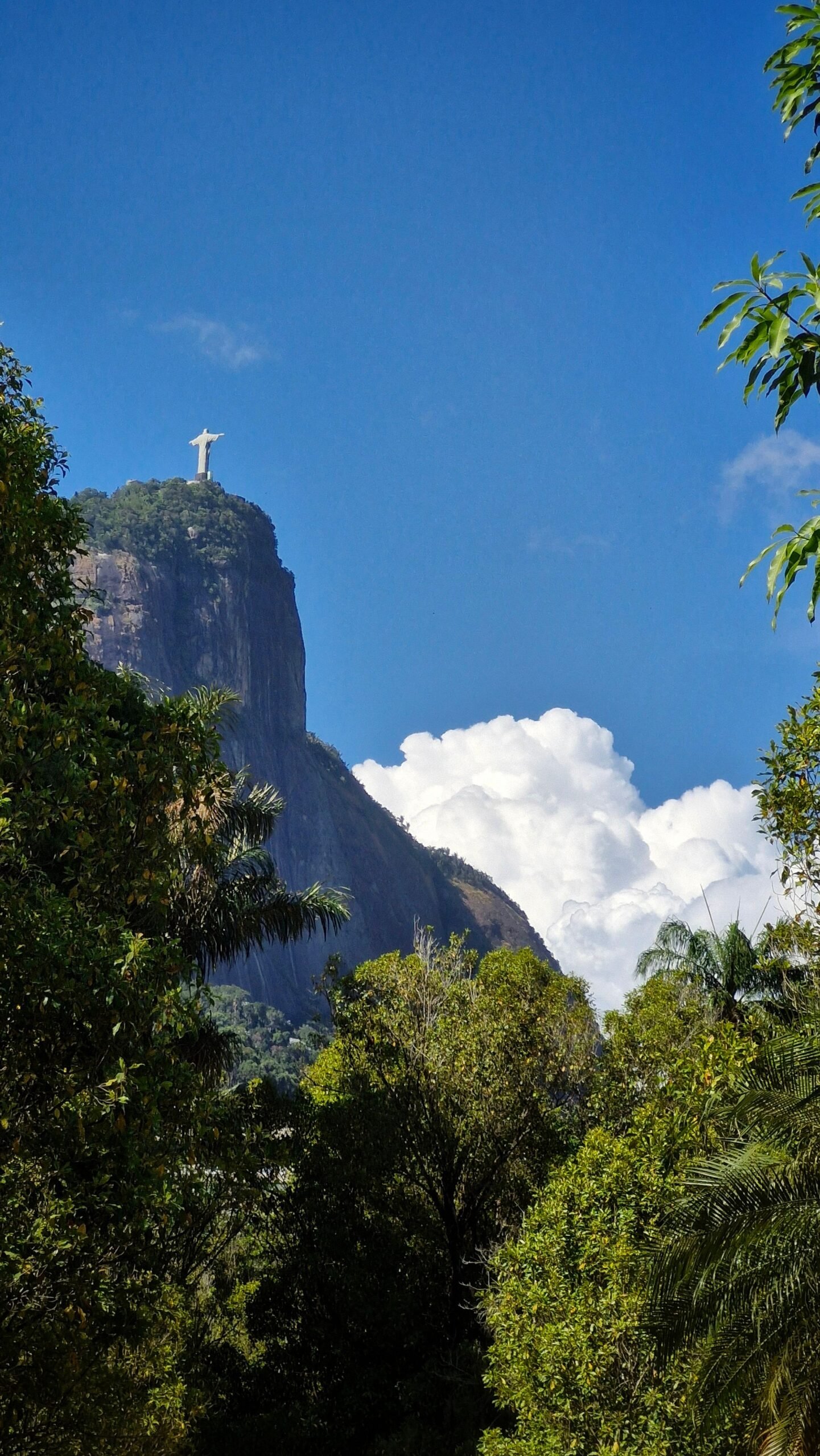
Few cities have such a spectacular setting, squeezed between mountains and the Atlantic Ocean with Christ the Redeemer watching over everything from Corcovado Mountain.
Copacabana and Ipanema provide the famous beaches while Sugarloaf Mountain gives you one of the best views across the city.
And if you happen to visit during Carnival, Rio becomes something else entirely with parades, costumes, samba and an enormous city-wide celebration.
The Amazon rainforest covers a huge part of the country and trips from Manaus can take you deep into one of the world's most important ecosystems, where monkeys, colourful birds, caimans and river dolphins are amongst the wildlife you might encounter.
Then there is Iguaçu Falls on the border with Argentina.
Hundreds of waterfalls crash through tropical forest creating one of the most spectacular natural sights anywhere in South America.
Salvador brings colourful colonial architecture, Afro-Brazilian culture and music while destinations such as Florianópolis offer yet more gorgeous coastline.
And given its size, trying to see everything in one would require either a teleportation device or an extremely questionable itinerary.
↑ BACK TO TOPArgentina
Argentina is one of those countries where every region seems determined to offer something completely different.
Buenos Aires is the natural starting point and feels wonderfully European in places while remaining unmistakably South American.
Wide boulevards, grand architecture, colourful neighbourhoods and late-night restaurants give the city a huge amount of character.
La Boca is famous for its brightly painted buildings while San Telmo brings markets, cafés and tango.
And yes, you probably should watch some tango while you're there.
Whether you should attempt it yourself after two glasses of Malbec is another question entirely.
Away from Buenos Aires, Argentina becomes increasingly dramatic.
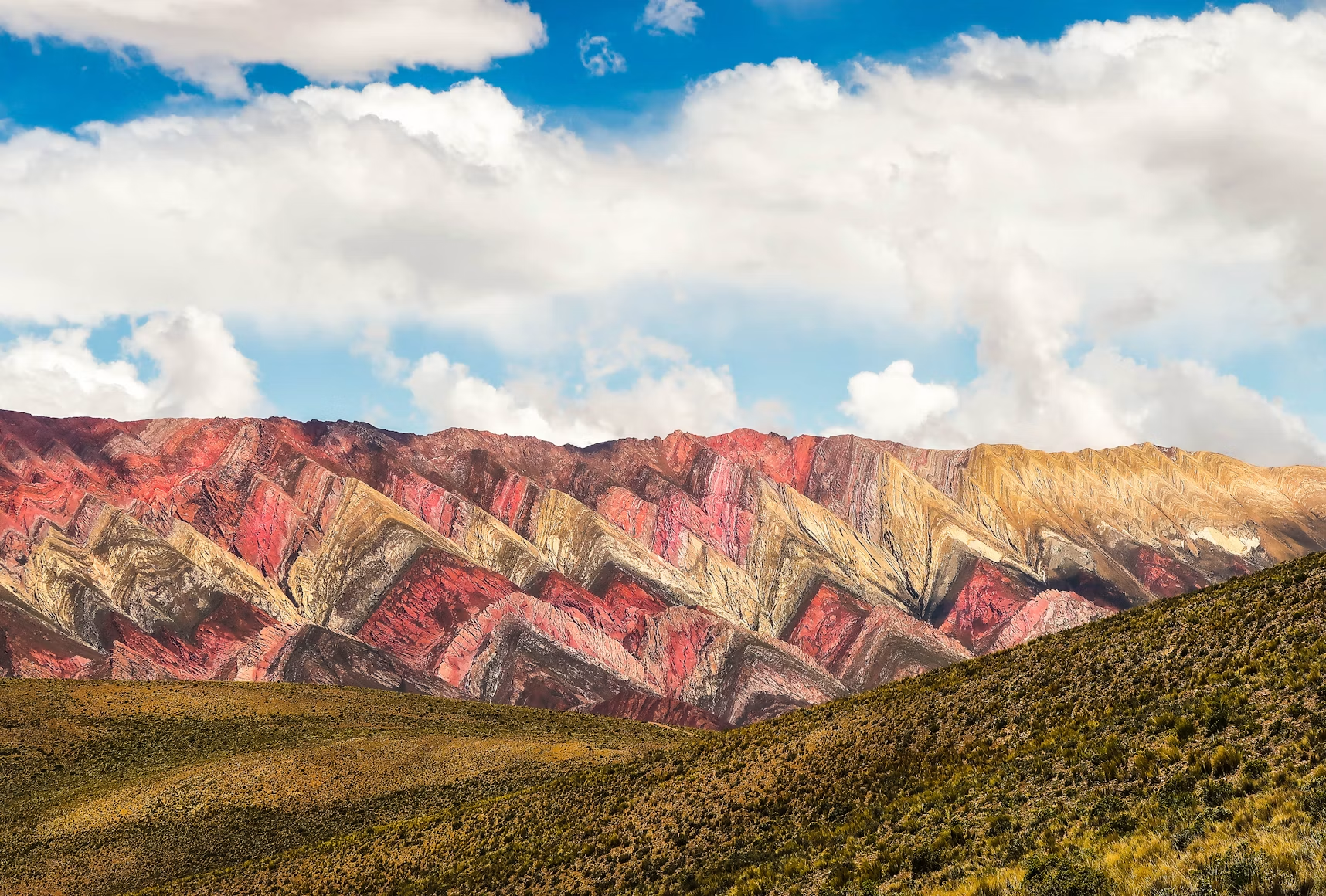
Patagonia stretches across the south with mountains, glaciers, lakes and huge open landscapes. Los Glaciares National Park is home to the enormous Perito Moreno Glacier while further south Ushuaia proudly describes itself as the city at the end of the world.
Head north instead and you'll reach Argentina's side of Iguaçu Falls.
Then there is Mendoza, surrounded by vineyards with the Andes providing a rather spectacular backdrop.
Argentina takes its wine seriously and Mendoza is the heart of Malbec country, which means vineyard tours tend to involve considerably more than simply admiring the scenery.
Peru
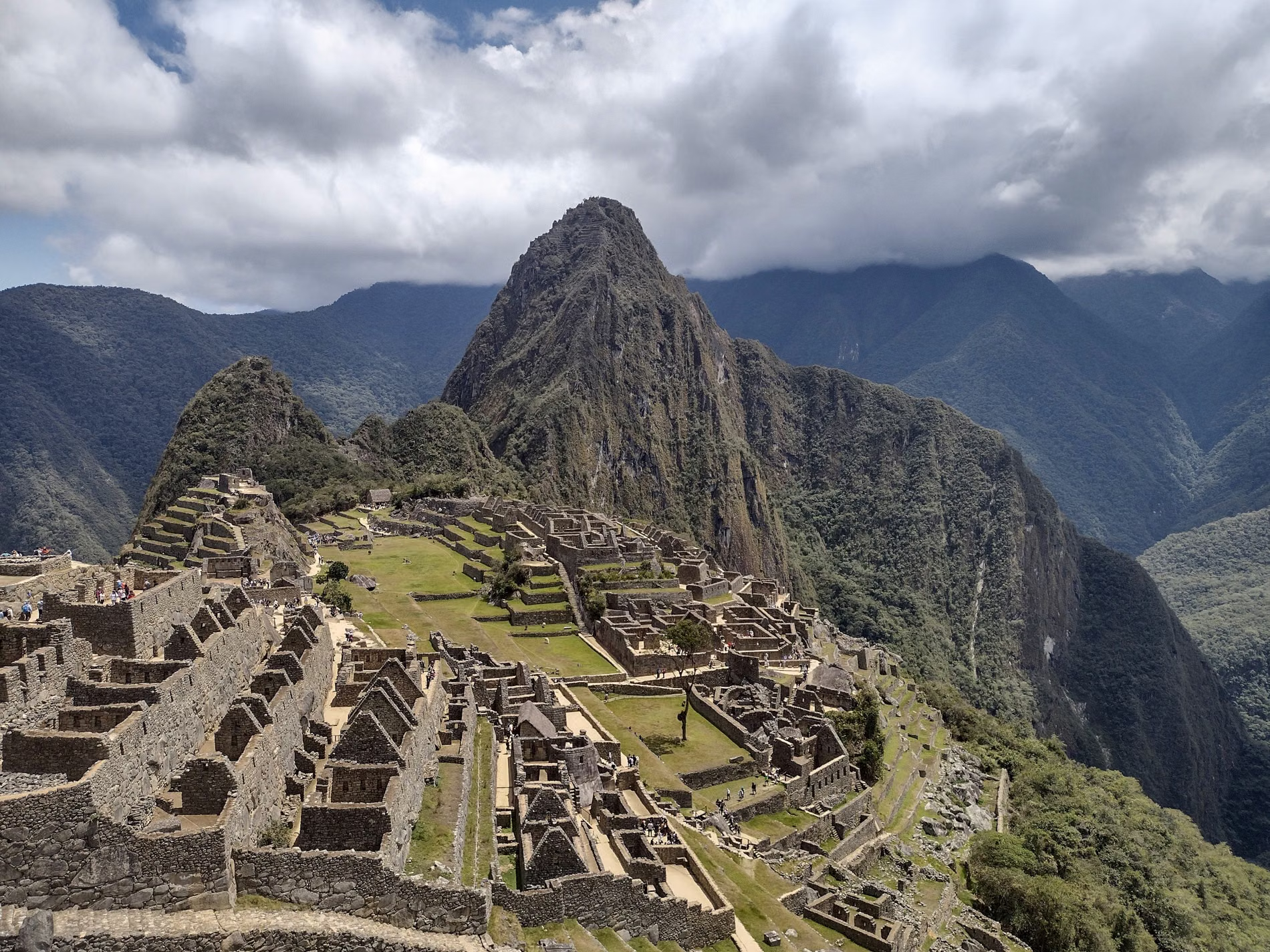
Peru has one enormous attraction that brings travellers from all over the world.
And thankfully, it really does live up to the hype.
The ancient Inca city sits high amongst dramatic green mountains and seeing it emerge through the landscape is one of those travel experiences that photographs never quite prepare you for.
Some visitors reach Machu Picchu by train while others tackle the famous Inca Trail over several days.
Either way, getting there is very much part of the experience.
Nearby Cusco was once the capital of the Inca Empire and remains one of Peru's most fascinating cities, filled with colonial buildings, Inca stonework, markets and restaurants.
The Sacred Valley between Cusco and Machu Picchu contains villages, archaeological sites and some spectacular mountain scenery.
But Peru has much more beyond its famous Inca sites.
Lima has become one of South America's great food cities while Lake Titicaca sits high in the Andes on the border with Bolivia.
There are deserts, mountains, Amazon rainforest and the mysterious Nazca Lines.
Peruvian food deserves plenty of attention too, particularly ceviche, although you may encounter a few traditional dishes that require a slightly more adventurous attitude.
Let's just say guinea pigs have had a rather different career path in Peru than they have in Britain.
↑ BACK TO TOP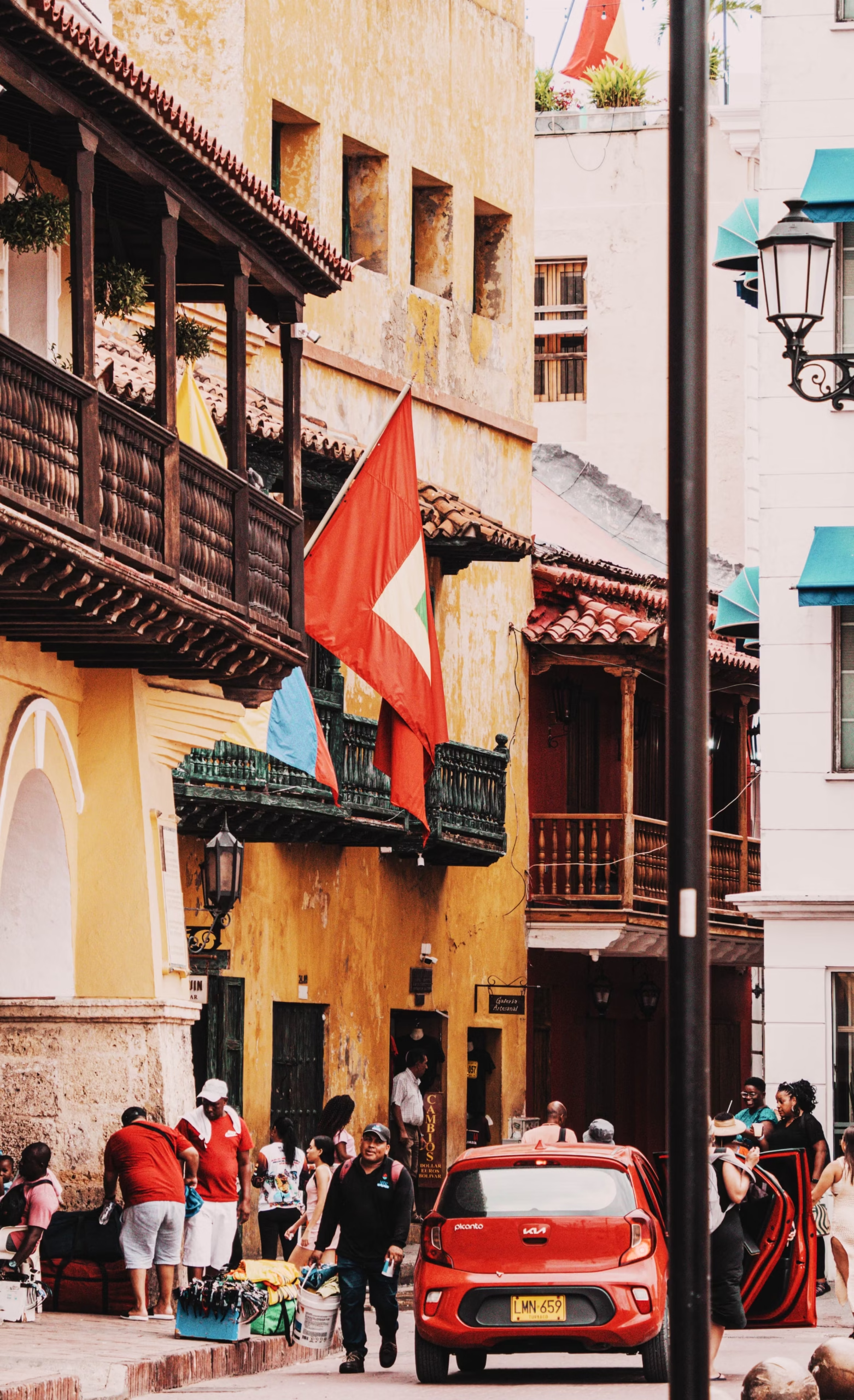
Colombia
Colombia has changed enormously as a travel destination and is now firmly on the radar for people exploring South America.
Cartagena is probably the country at its most photogenic.
Its historic walled centre is filled with colourful colonial buildings, flower-covered balconies and lively plazas while the Caribbean Sea sits just beyond the old city walls.
It's the kind of place where going for a short wander can easily turn into several hours because every street seems to lead somewhere worth exploring.
Surrounded by mountains, the city has undergone an extraordinary transformation over recent decades and is now known for its restaurants, nightlife, museums and innovative transport systems.
Bogotá, meanwhile, brings museums, historic neighbourhoods and a thriving food scene at more than 2,600 metres above sea level.
Outside the cities, Colombia becomes wonderfully green.
The Coffee Triangle is filled with plantations and mountain scenery while Tayrona National Park combines tropical forest with Caribbean beaches.
Then there is the colourful town of Guatapé and its enormous rock, El Peñol, which rewards anyone willing to tackle hundreds of steps with spectacular views across the surrounding lakes.
Chile
Chile has one of the strangest shapes of any country in the world, stretching for thousands of kilometres along South America's Pacific coast while remaining remarkably narrow.
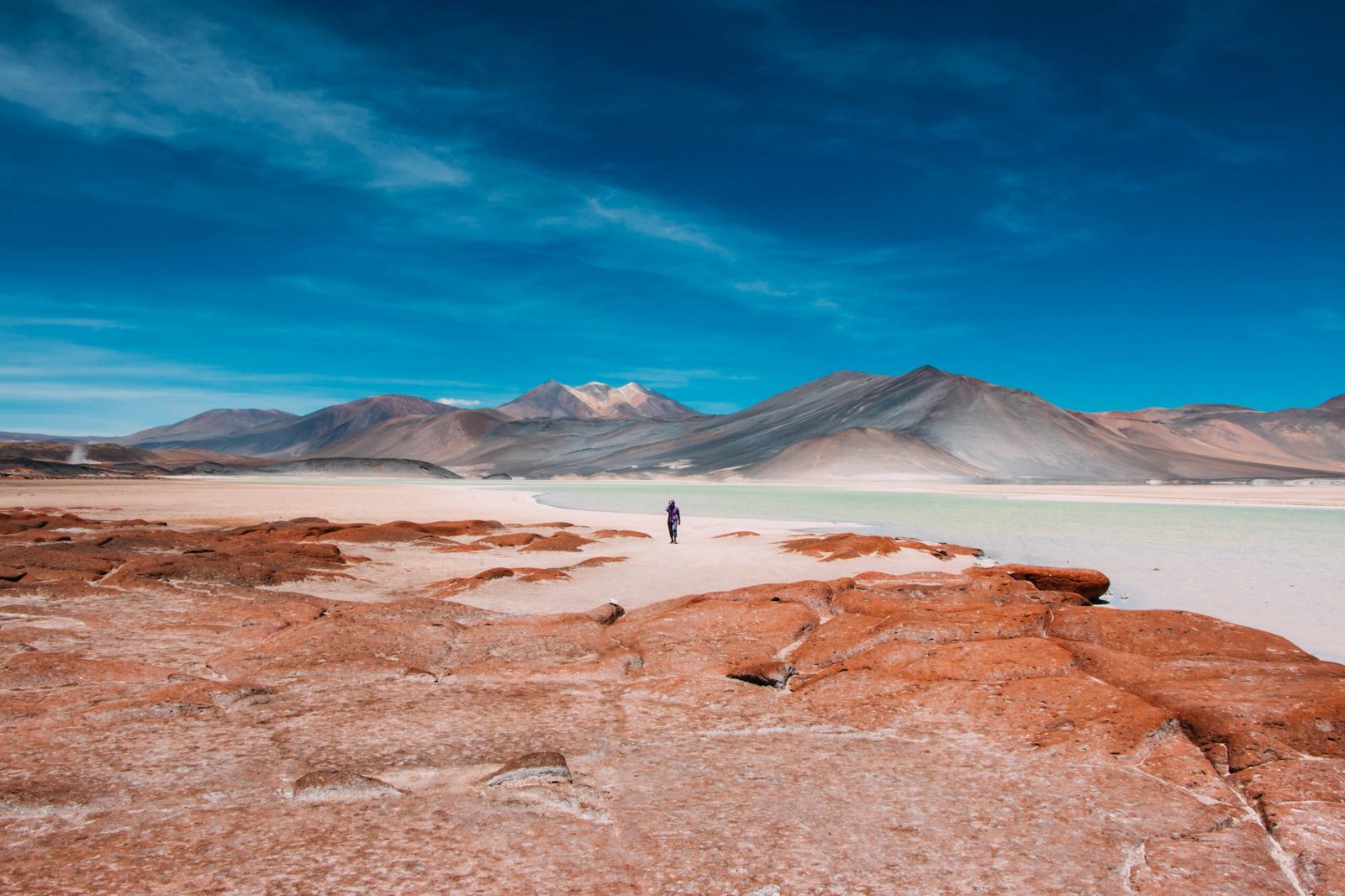
In the north, the Atacama Desert is one of the driest places on Earth.
Here you'll find salt flats, volcanoes, colourful lagoons and landscapes that look more like another planet than somewhere you could reach on a commercial flight.
The exceptionally clear skies also make the Atacama one of the world's best places for stargazing.
Further south, Santiago sits beneath the Andes and provides a modern base for exploring central Chile.
Nearby wine regions are easily accessible while colourful Valparaíso brings street art, steep hills and views across the Pacific.
Keep travelling south and things become considerably wilder.
Chilean Patagonia contains mountains, glaciers, turquoise lakes and the spectacular Torres del Paine National Park, one of South America's greatest destinations for hiking.
And then, thousands of kilometres from mainland Chile, there is Easter Island.
Its enormous stone moai statues remain one of the world's most mysterious archaeological sights.
Partly because there's far too much to see and partly because travelling from one end to the other is a fairly serious undertaking.
↑ BACK TO TOPEcuador
Ecuador may be considerably smaller than many of its South American neighbours, but it has managed to squeeze an impressive amount into a relatively compact space.
Quito sits high in the Andes and has one of Latin America's best-preserved historic centres with churches, plazas and colourful colonial buildings.
Outside the capital, volcanoes dominate the landscape.
Cotopaxi is one of the world's highest active volcanoes while the surrounding national park offers hiking and spectacular mountain views.
Head towards the Amazon and the scenery changes completely as rainforest takes over.
But Ecuador's biggest tourism superstar sits around 600 miles off the mainland.
The Galápagos Islands are one of the world's great wildlife destinations.
Giant tortoises, marine iguanas, sea lions, penguins and blue-footed boobies live amongst volcanic islands where animals often show remarkably little concern about the humans wandering around looking excited.
Visiting isn't cheap and tourism is carefully controlled to protect the environment.
But for wildlife lovers, the Galápagos are firmly in once-in-a-lifetime territory.
↑ BACK TO TOP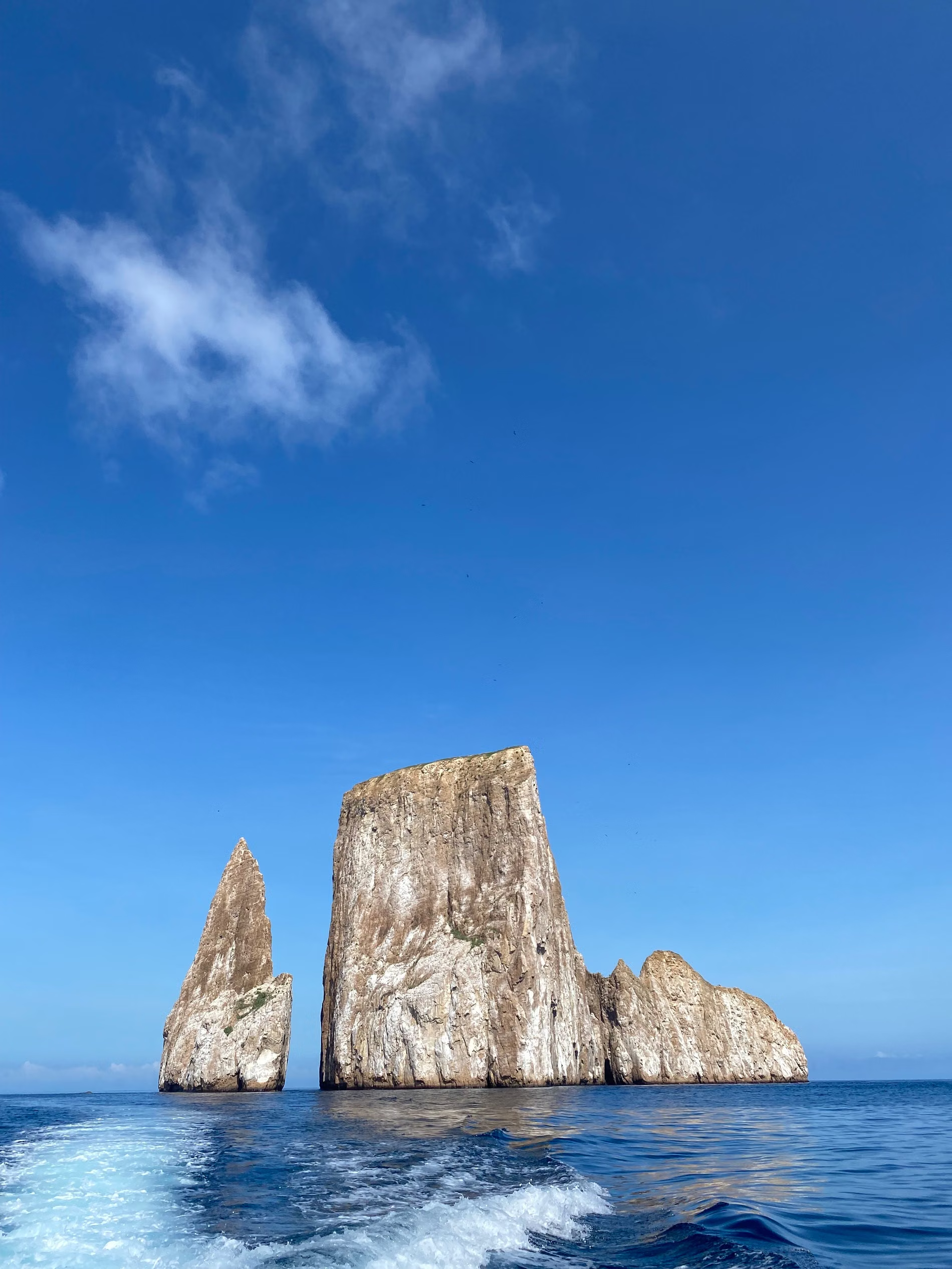
Bolivia
Bolivia feels adventurous before you've even started exploring.
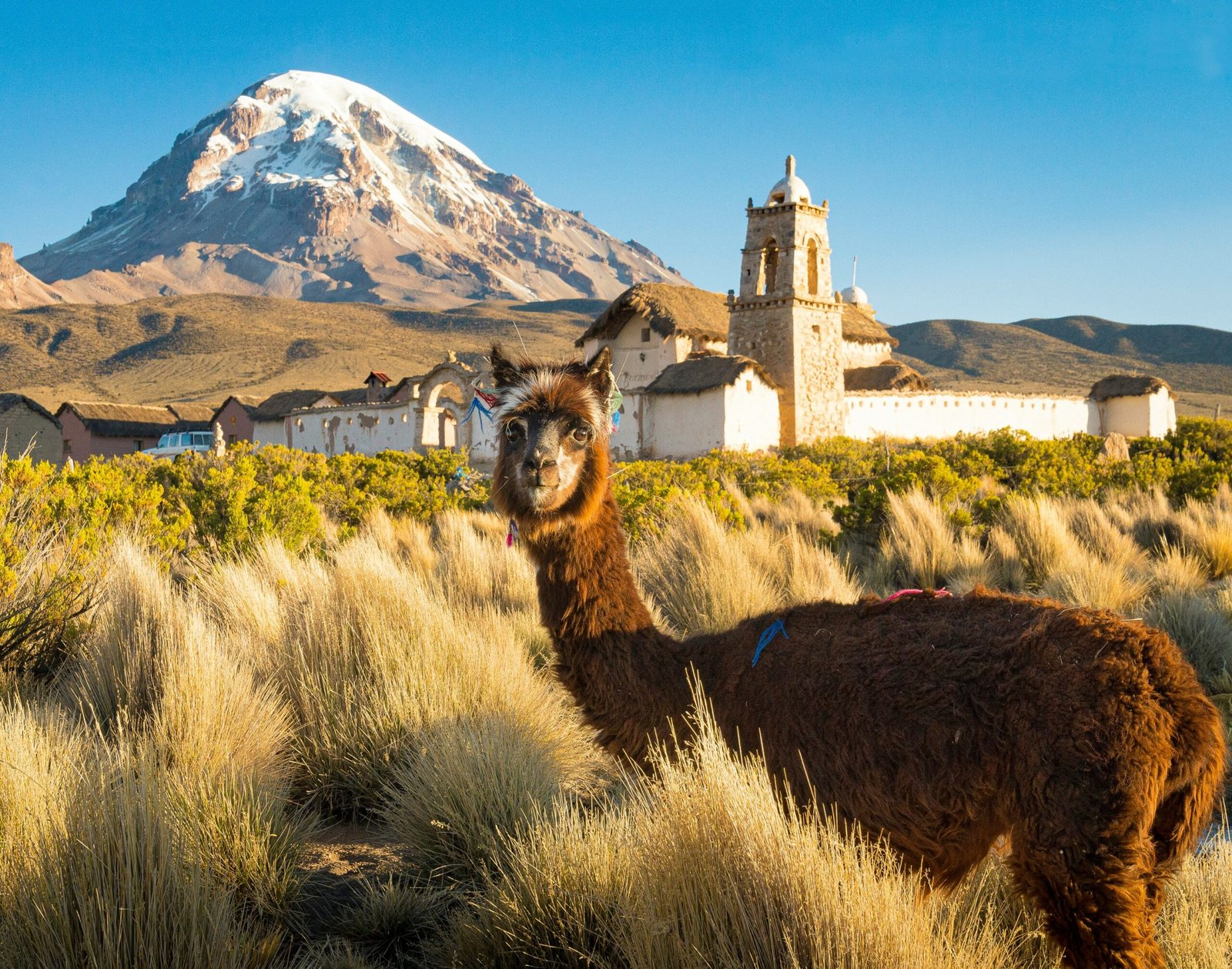
Much of the country sits at extraordinary altitude and its landscapes range from Andean mountains to rainforest and vast salt flats.
La Paz sits in a dramatic valley surrounded by mountains and is one of the world's highest capital cities.
The city's cable car network gives you spectacular views while also providing a rather more interesting commute than most of us experience at home.
But Bolivia's most famous landscape is Salar de Uyuni.
The world's largest salt flat stretches across an enormous white landscape that seems to disappear into the horizon.
During the rainy season, a thin layer of water can turn the surface into a giant natural mirror, creating photographs that barely look real.
Elsewhere, Bolivia offers colourful lagoons, volcanoes, traditional markets and Lake Titicaca, which it shares with Peru.
Bolivia is best suited to travellers who don't mind a little unpredictability and enjoy destinations that still feel properly adventurous.
↑ BACK TO TOP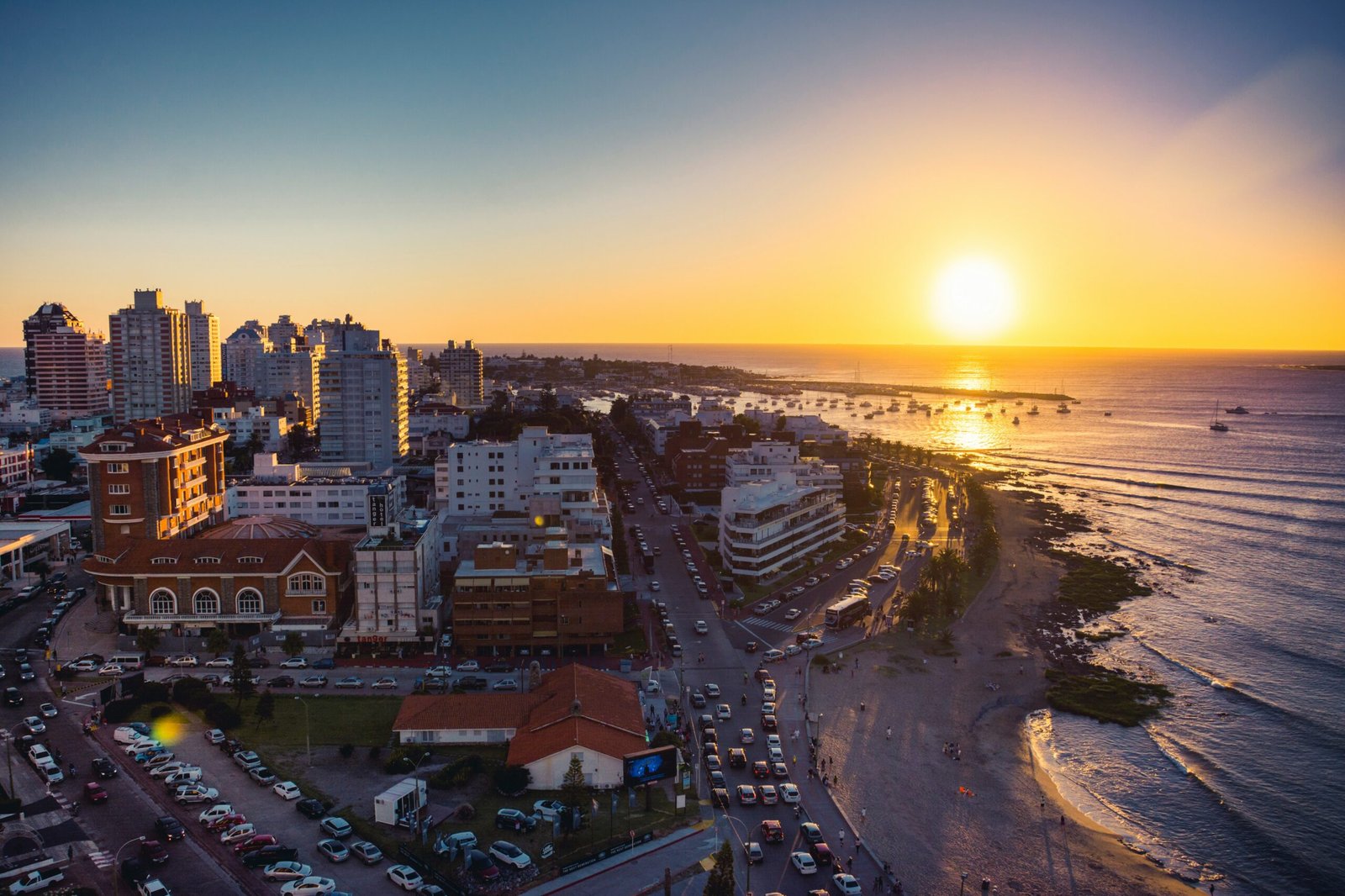
Uruguay
Uruguay is often overlooked between its much larger neighbours Brazil and Argentina.
Which is a shame because it's a lovely place to slow things down.
Montevideo is relaxed and easy to explore with beaches, markets and a long waterfront promenade.
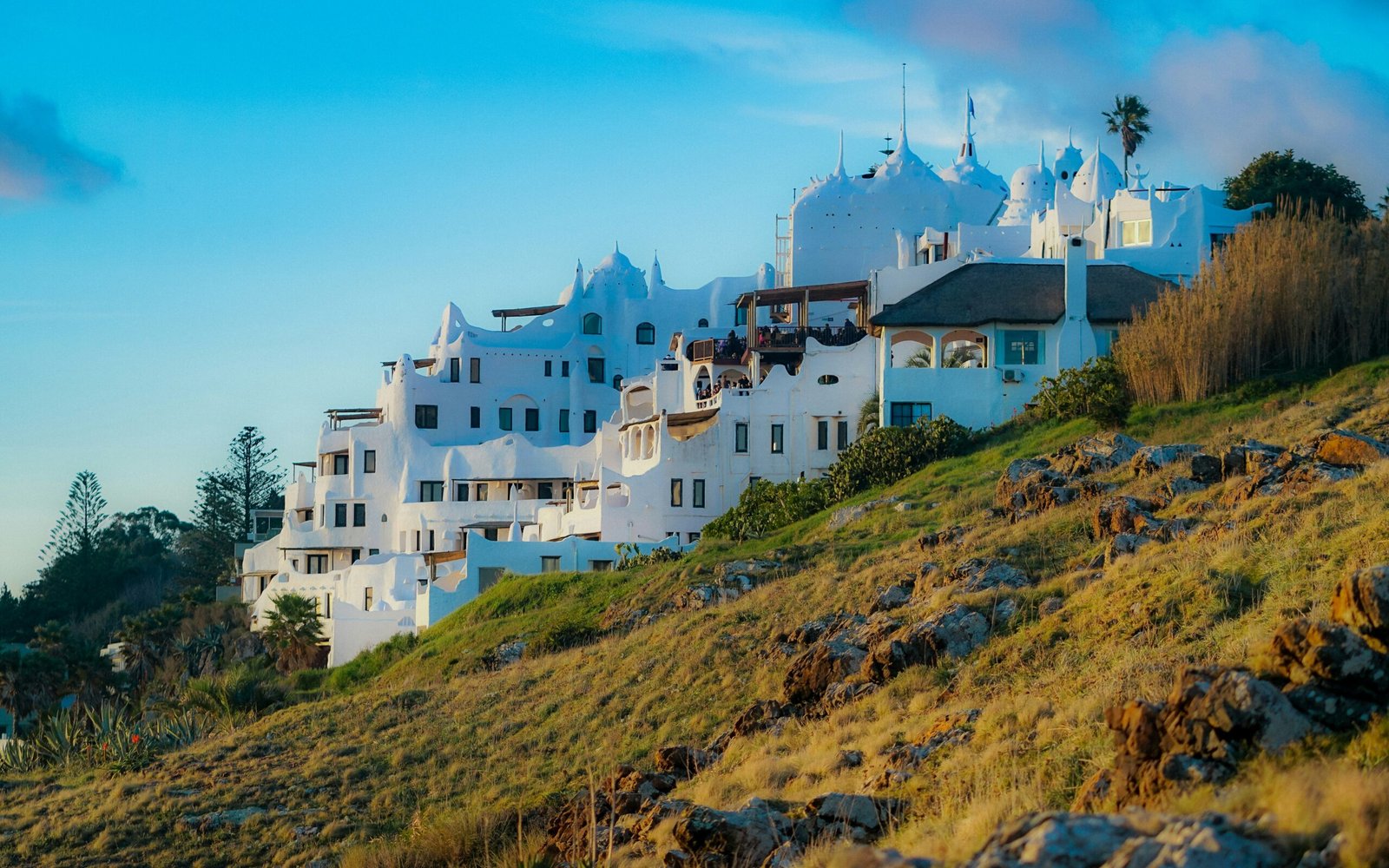
The historic town of Colonia del Sacramento sits across the Río de la Plata from Buenos Aires and is filled with cobbled streets and colourful old buildings.
Then there is Punta del Este, Uruguay's best-known beach resort, where restaurants, nightlife and long stretches of sand attract visitors throughout the South American summer.
Further along the coast, things become quieter with small beach towns and laid-back communities.
Uruguay also takes both beef and wine extremely seriously, so meals have a tendency to become rather enjoyable events.
It might not have the enormous bucket-list landmarks of Peru or Brazil, but that is part of its charm.
Sometimes a holiday doesn't need to involve climbing mountains before breakfast.
↑ BACK TO TOPSO, WHERE IN SOUTH AMERICA
SHOULD YOU GO?
This is where the continent becomes spectacularly unhelpful because each destination offers something completely different.
If you're planning your first South American adventure and want some of the continent's most famous sights, Peru, Brazil and Argentina are obvious places to start.
For beaches, music and cities full of energy, Brazil and Colombia are extremely difficult to resist.
If enormous landscapes and outdoor adventures are what get you reaching for your suitcase, Chile and Argentina give you Patagonia while Bolivia offers some of the strangest and most beautiful scenery on the continent.
Wildlife lovers should be looking very seriously at Ecuador, particularly if the Galápagos Islands have been sitting on the bucket list for years.
For history and ancient cultures, Peru is the standout, although Bolivia and Ecuador offer plenty of their own fascinating indigenous heritage.
And if your perfect holiday includes good food and an entirely respectable interest in wine, Argentina, Chile and Uruguay are all going to make you very happy.
The wonderful thing about South America is that it still feels like somewhere to have a real adventure.
You can watch the sun rise over Machu Picchu, stand beneath the enormous Christ the Redeemer in Rio, drink Malbec amongst the vineyards of Mendoza, walk across a seemingly endless salt flat in Bolivia or watch giant tortoises wandering through the Galápagos.
You could dance until considerably later than planned in Buenos Aires, explore Cartagena's colourful streets or find yourself standing beneath a Patagonian mountain wondering how somewhere can possibly look that good in real life.
And you'll probably return home with another destination already added to the list.
Because once you've travelled all that way, it seems slightly unreasonable to see only one little corner of an entire continent.