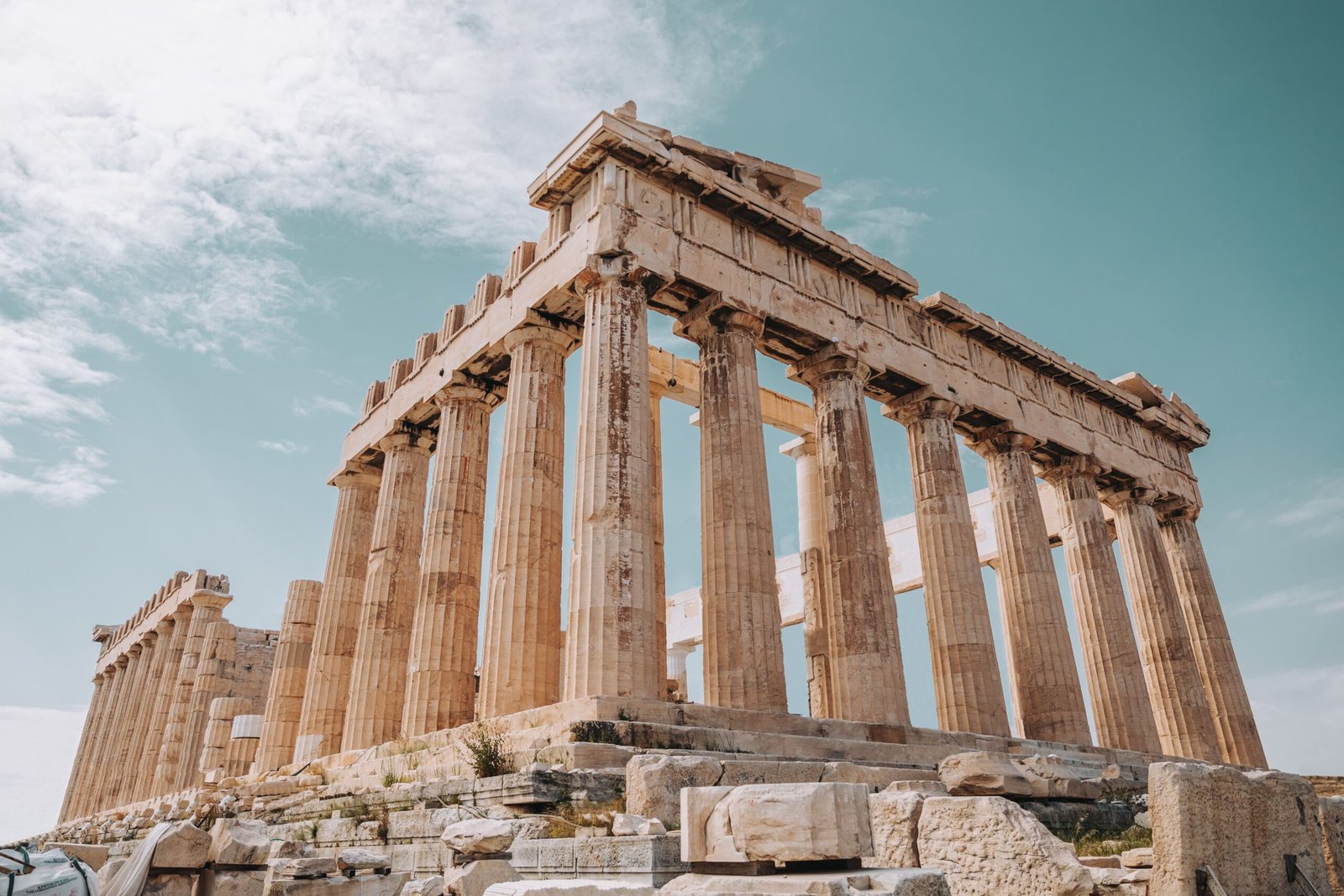
EUROPE
Beautiful cities. Mediterranean beaches. Alpine scenery. And an entirely unreasonable amount of good food.
EUROPE
Europe is wonderfully inconvenient for anyone trying to decide where to go on holiday.
Just when you've settled on Italy, somebody shows you photographs of a Greek island. Then you remember Portugal exists. Croatia starts looking rather lovely and before you know it you've got fourteen browser tabs open, three potential itineraries and absolutely no idea where you're actually going.
For a relatively compact part of the world, Europe manages to squeeze in an extraordinary amount.
There are Mediterranean beaches, Alpine villages, medieval cities, volcanic islands, enormous mountain ranges, glamorous coastal resorts and enough castles, museums and ancient ruins to keep even the most determined sightseer occupied.
Then there's the food.
Which, frankly, could justify an entire European tour by itself.
The other rather lovely thing about travelling around Europe from the UK is that many of its best destinations are only a few hours away.
So whether you fancy two weeks beside the Mediterranean, a long weekend exploring a new city or an enormous road trip involving several countries and an increasingly questionable amount of luggage, Europe gives you plenty of options.
Italy
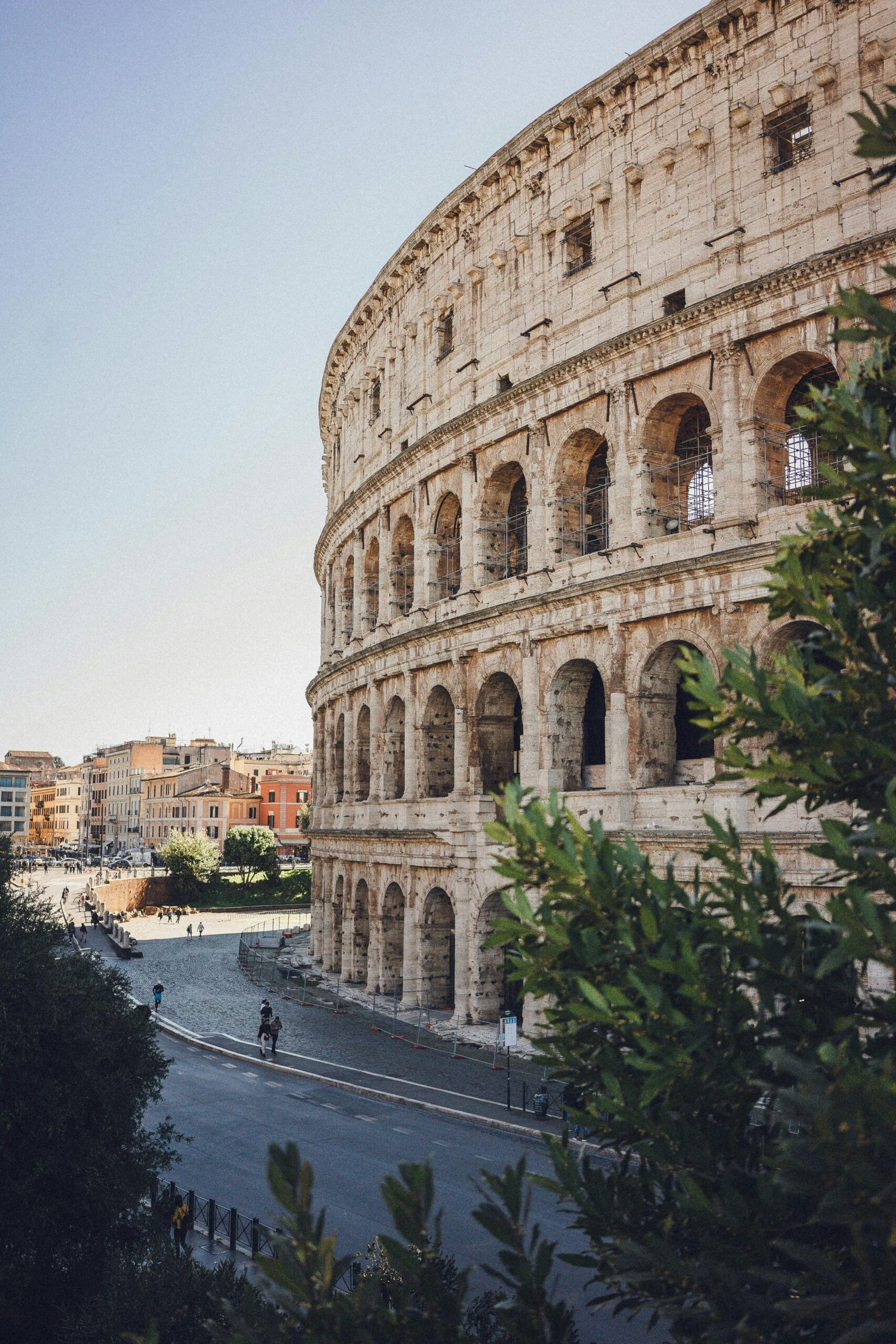
Italy is frankly showing off.
Rome alone gives you the Colosseum, Roman Forum, Trevi Fountain and Vatican City, casually scattering several thousand years of history around one city.
Then there's Venice with its canals and gondolas, Florence with Renaissance art and architecture and Milan bringing fashion, shopping and the rather magnificent Duomo.
But Italy becomes even harder to resist once you leave the cities.
Tuscany offers vineyards, rolling countryside and medieval hill towns. Lake Como delivers mountains, elegant villas and ridiculously pretty lakeside villages while the Amalfi Coast gives you colourful towns clinging dramatically to the cliffs above the Mediterranean.
Head further south and you've got Sicily or cross the water to Sardinia for some genuinely gorgeous beaches.
You may arrive planning to immerse yourself in Italian culture and return home mostly talking about something you ate in a tiny restaurant in Florence.
Perfectly reasonable.
↑ BACK TO TOPSpain
Spain has been one of Britain's favourite holiday destinations for decades and there's a very good reason we keep going back.
Actually, there are several.
Barcelona gives you Gaudí's extraordinary architecture, Las Ramblas, brilliant food and a beach thrown in for good measure.
Madrid brings museums, beautiful plazas, shopping and nightlife while Seville delivers flamenco, orange trees and some of the loveliest architecture in southern Spain.
Then you've got the beach resorts.
The Costa del Sol and Costa Blanca are easy choices for sunshine while Mallorca, Menorca and Ibiza offer everything from quiet coves and mountain villages to rather more enthusiastic nightlife.
And when you want sunshine in the middle of a British winter, the Canary Islands are sitting considerably closer to Africa than mainland Europe doing their best to tempt you onto a plane.
Spain can be a beach holiday, city break, foodie escape or road trip.
Or, if you've planned things particularly well, all four.
↑ BACK TO TOP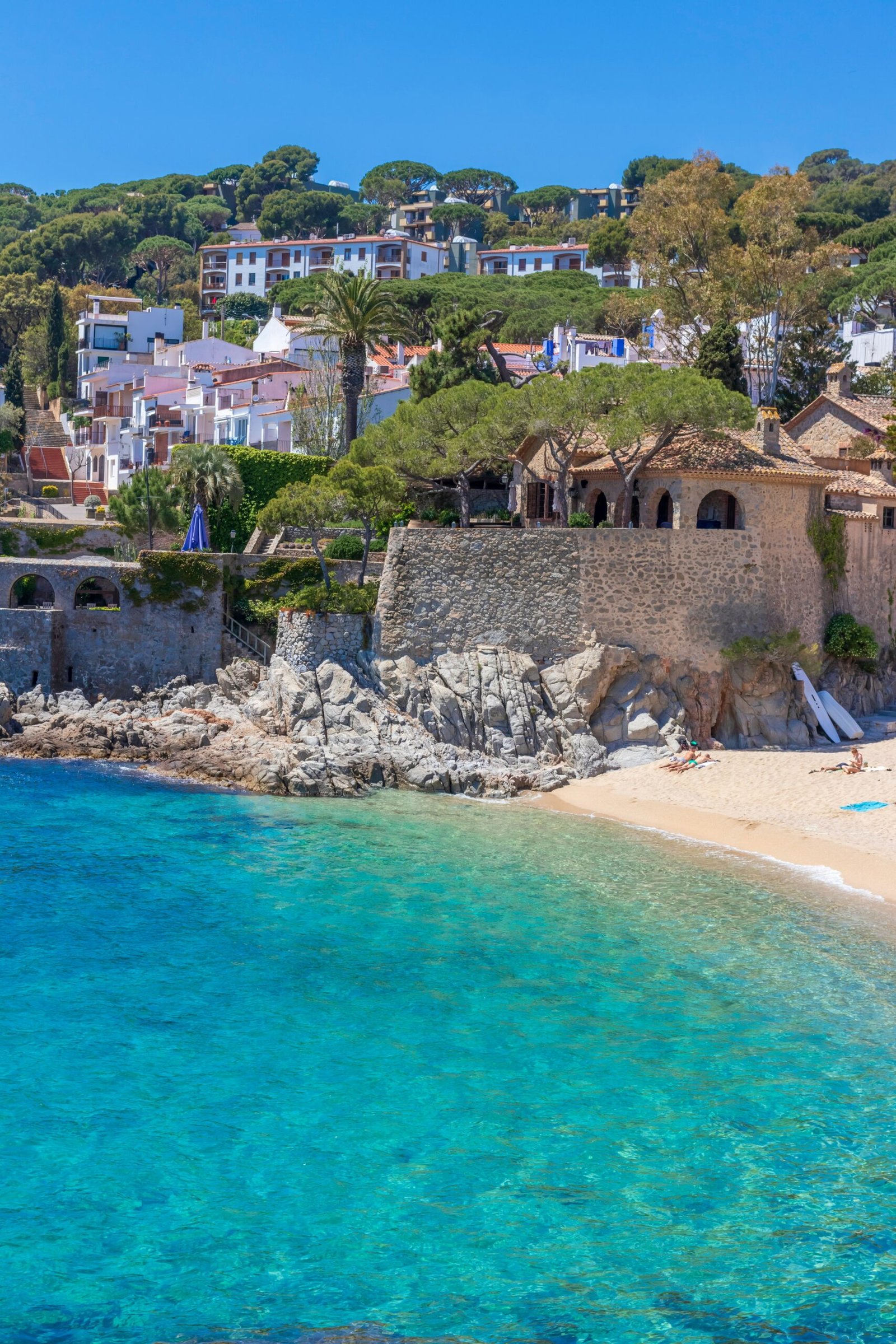
France
France has the slightly unfair advantage of being extremely good at almost every type of holiday.
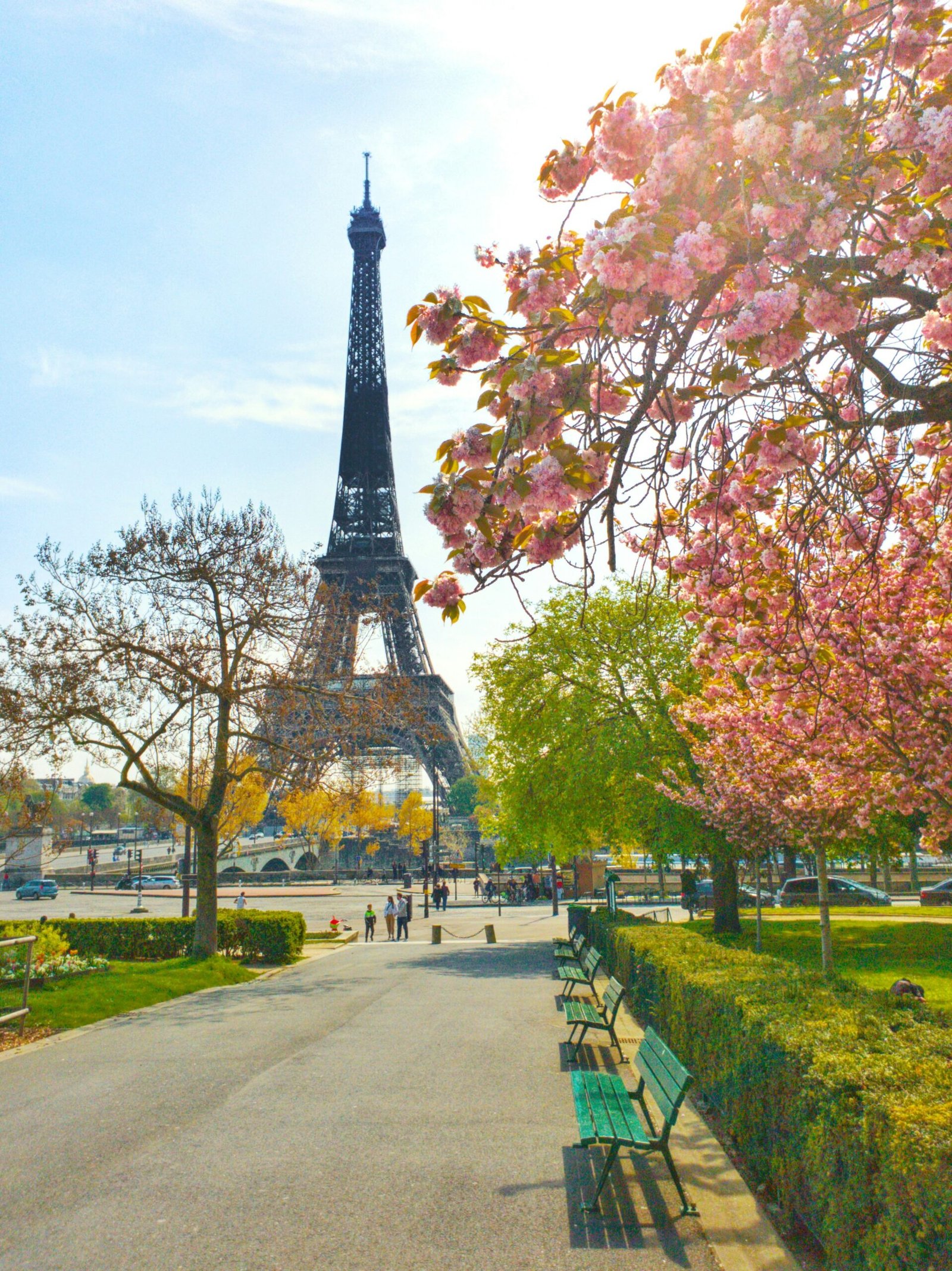
Paris is the obvious starting point with the Eiffel Tower, Louvre, Montmartre, Notre-Dame and cafés where sitting outside watching the world go by somehow feels like a legitimate tourist activity.
But France certainly doesn't end at Paris.
The French Riviera gives you Nice, Cannes, Monaco just along the coast and glamorous Mediterranean beaches.
Provence brings lavender fields, vineyards and villages while the Loire Valley is dotted with spectacular châteaux.
Head north for Normandy and Brittany or towards the mountains for the French Alps and some of Europe's best skiing.
And obviously there is the food.
Cheese, pastries, bread, wine and desserts that make the little plastic-wrapped cake you bought from the supermarket at home seem deeply disappointing.
France is one of those countries you can visit repeatedly and have a completely different holiday every time.
↑ BACK TO TOP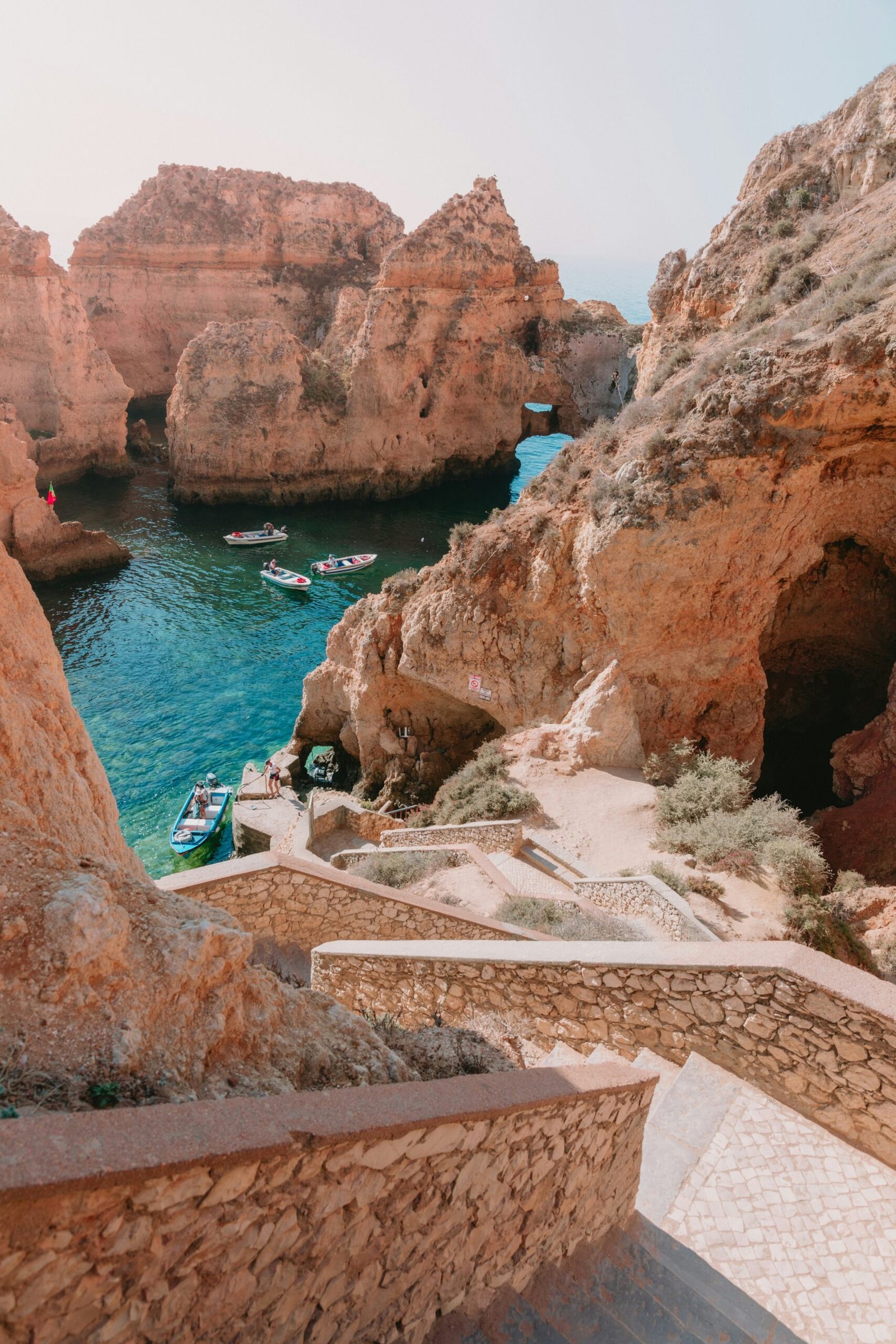
Portugal
Portugal is dangerously easy to fall in love with.
Lisbon gives you colourful tiled buildings, yellow trams rattling through narrow streets and viewpoints overlooking the city and River Tagus.
Porto is equally tempting with its historic riverside, beautiful bridges and famous port wine cellars.
Head south and the Algarve changes the pace completely.
Here you'll find golden beaches, dramatic cliffs, hidden coves and seaside towns stretching along Portugal's southern coastline.
But don't forget Portugal's islands.
Madeira is brilliant for dramatic scenery, walking and year-round sunshine while the Azores bring volcanic landscapes, crater lakes, hot springs and whale watching.
And somewhere along the way you'll discover pastel de nata.
One will not be enough.
Accept this now and save yourself the internal debate.
↑ BACK TO TOP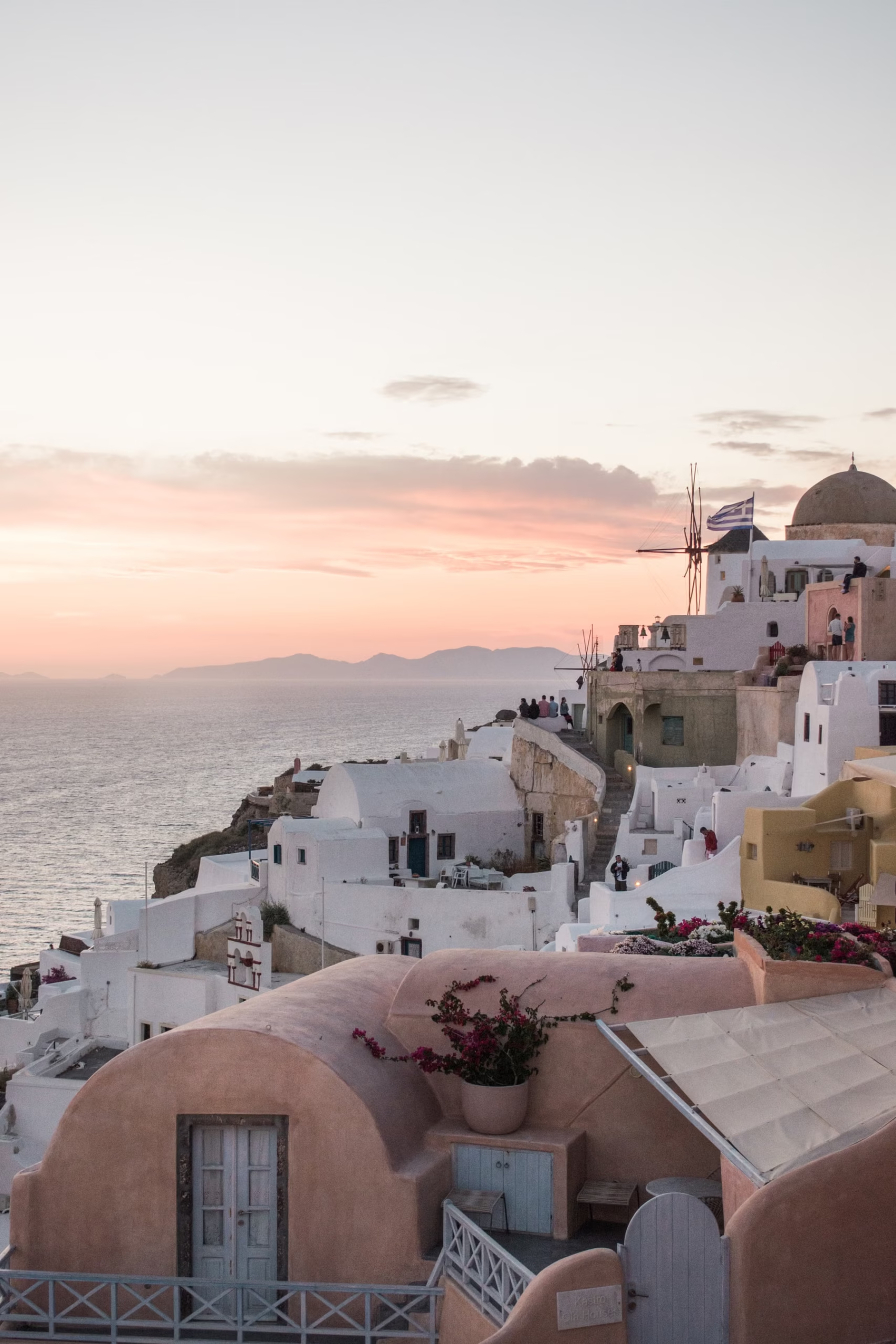
Greece
Planning a Greek holiday usually starts easily enough.
Santorini gives you whitewashed villages, blue-domed churches and famous sunsets.
Crete combines beaches with mountains, traditional villages and ancient sites while Corfu is green, beautiful and dotted with lovely coves.
Rhodes brings medieval history alongside its beaches. Kefalonia has gorgeous scenery and Zakynthos has some of the most recognisable turquoise water in Greece.
Then there are Mykonos, Kos, Skiathos, Naxos, Paros...
You see the problem.
And that's before we've even mentioned mainland Greece.
Athens is home to the Acropolis and thousands of years of history while Meteora's monasteries sit dramatically on enormous rock formations.
Add warm Mediterranean evenings, tavernas beside the water and tables covered in Greek food and it becomes increasingly difficult to come up with a reason not to go.
You may just need several visits.
Turkey
Turkey is one of Europe's most fascinating holiday destinations because it offers several completely different experiences within one country.
Istanbul quite literally sits between Europe and Asia.
The city is filled with mosques, palaces, markets and historic landmarks including Hagia Sophia and the Blue Mosque while the Bosphorus separates its European and Asian sides.
Head towards the coast and things become considerably more relaxed.
Antalya, Bodrum, Marmaris and Fethiye offer Mediterranean and Aegean beaches, resorts, boat trips and warm summer weather.
Its extraordinary rock formations and underground cities already look slightly unreal before hundreds of hot-air balloons start floating above them at sunrise.
Add the ancient ruins of Ephesus, brilliant Turkish food and the white terraces of Pamukkale and Turkey suddenly becomes far more than simply a beach destination.
Although spending several days doing absolutely nothing beside a pool remains perfectly acceptable.
↑ BACK TO TOP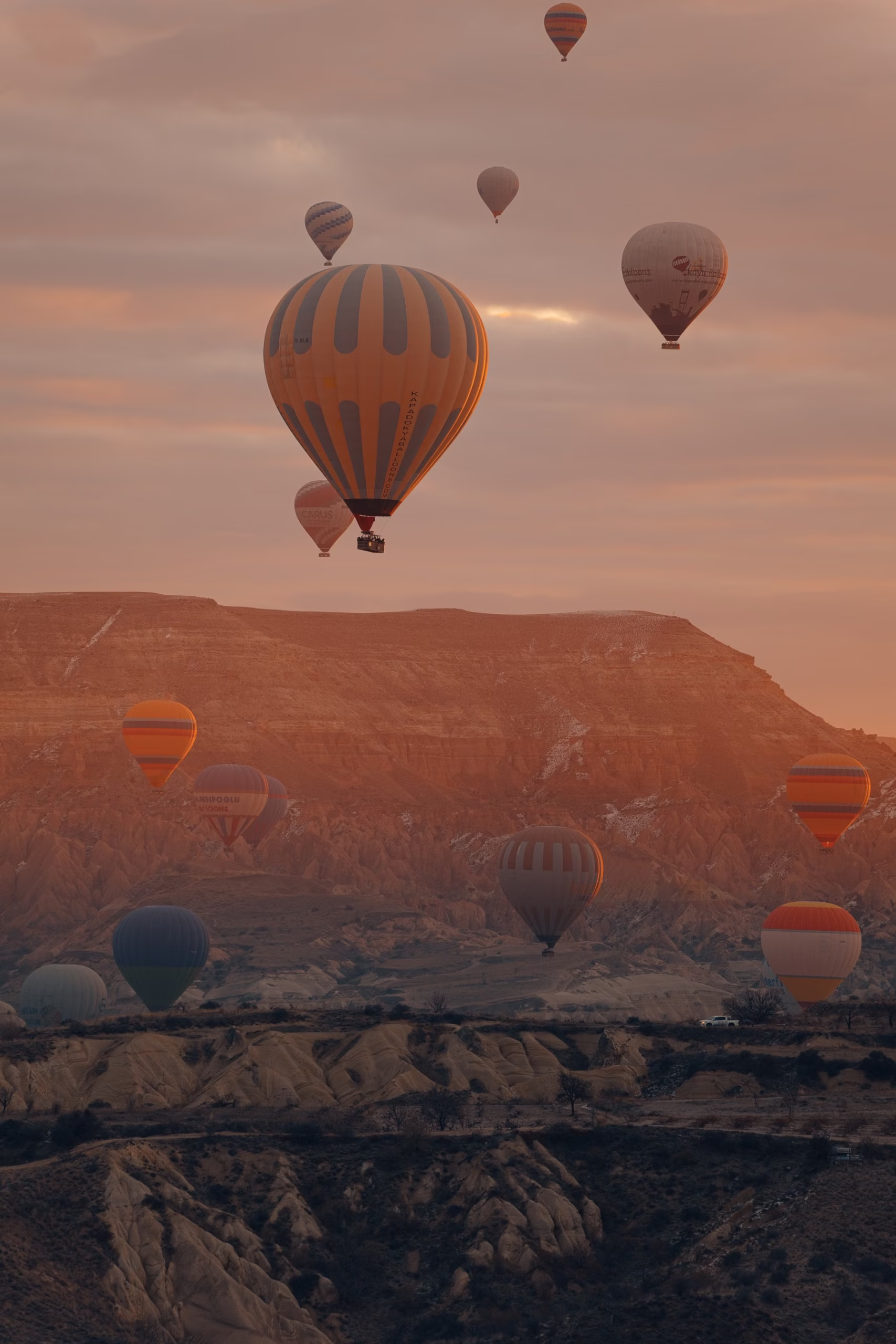
Croatia
Croatia has gone from relatively undiscovered to one of Europe's favourite summer destinations.
One look at the Adriatic coastline explains why.
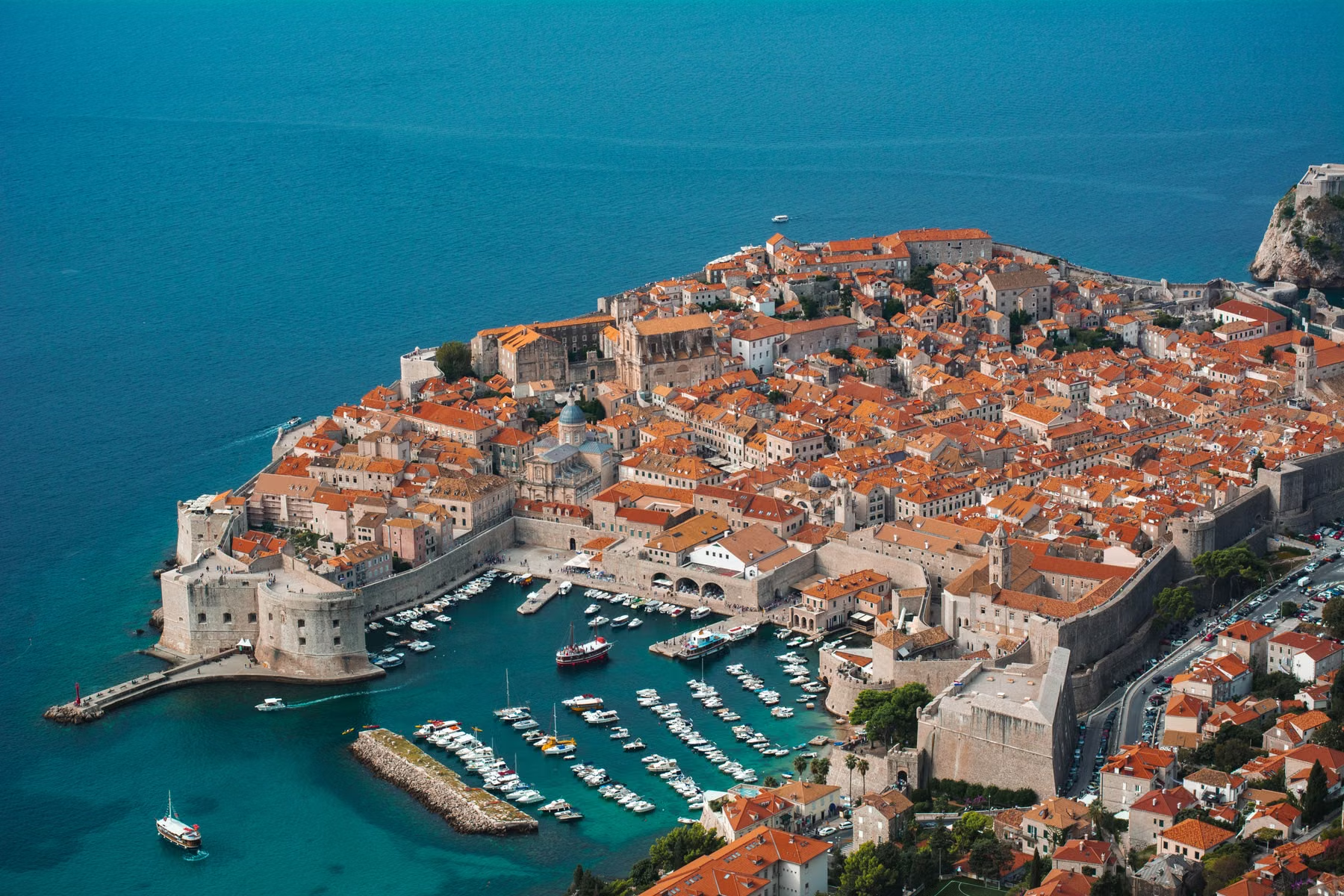
Dubrovnik's enormous stone walls surround a beautiful historic old town while Split combines Roman history with a lively waterfront.
Hvar, Brač and Korčula are amongst the best known but Croatia has hundreds scattered along its coastline, making island-hopping extremely tempting.
Away from the coast, Plitvice Lakes National Park brings waterfalls and brilliant turquoise lakes surrounded by forest.
Croatia is particularly good for travellers who want a beach holiday but know they'll get restless after approximately two days of lying still.
↑ BACK TO TOP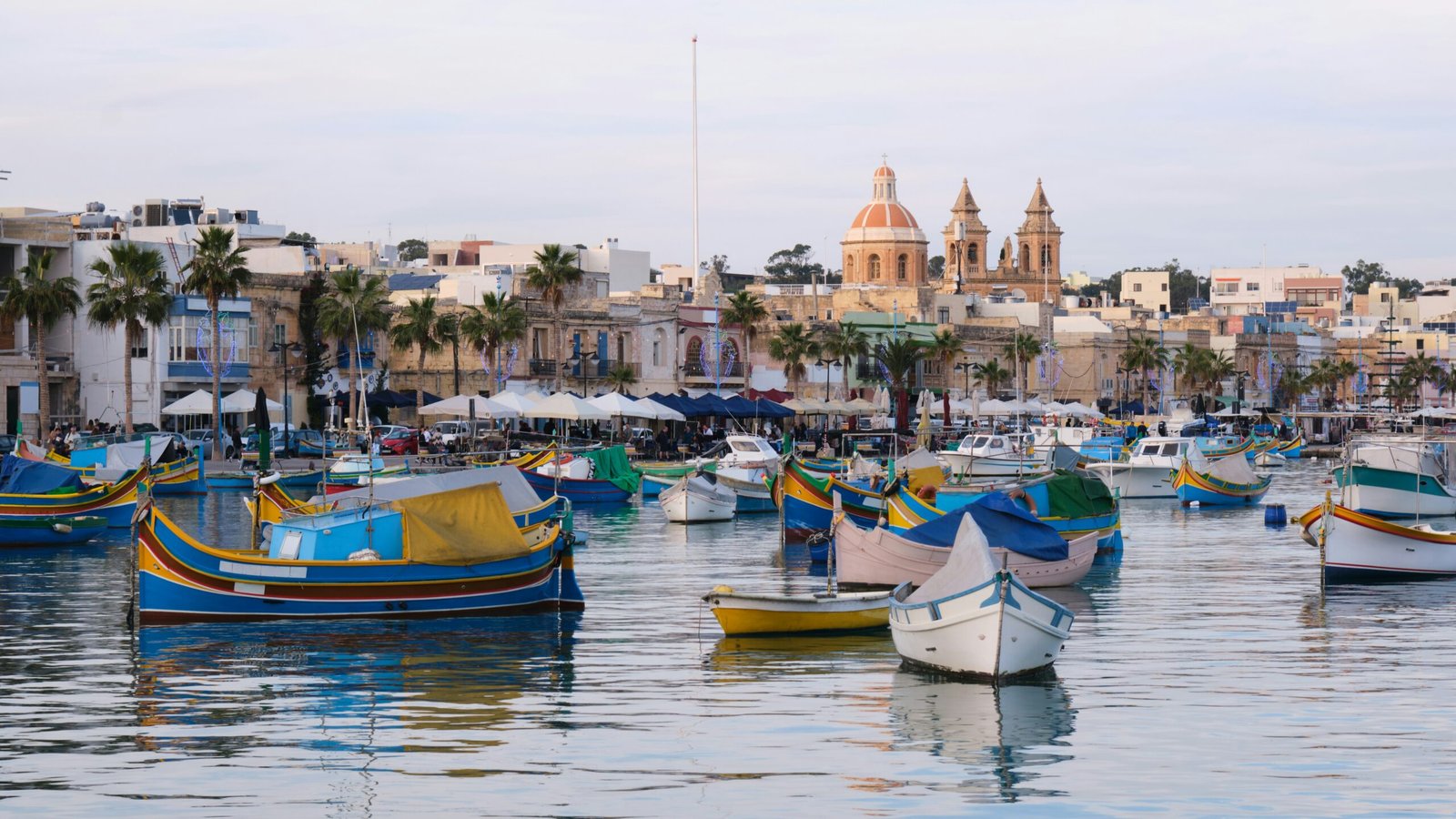
Malta
Malta manages to fit a surprising amount into a very small country.
Valletta is packed with beautiful architecture and history while the ancient walled city of Mdina is made for wandering through narrow streets.
There are prehistoric temples, fortresses, fishing villages and some wonderfully clear Mediterranean water.
Take a boat towards Comino and you'll find the famous Blue Lagoon.
Malta is also an excellent option outside the main summer months when you're desperate for sunshine but Britain has apparently decided grey is the only acceptable colour for the sky.
↑ BACK TO TOP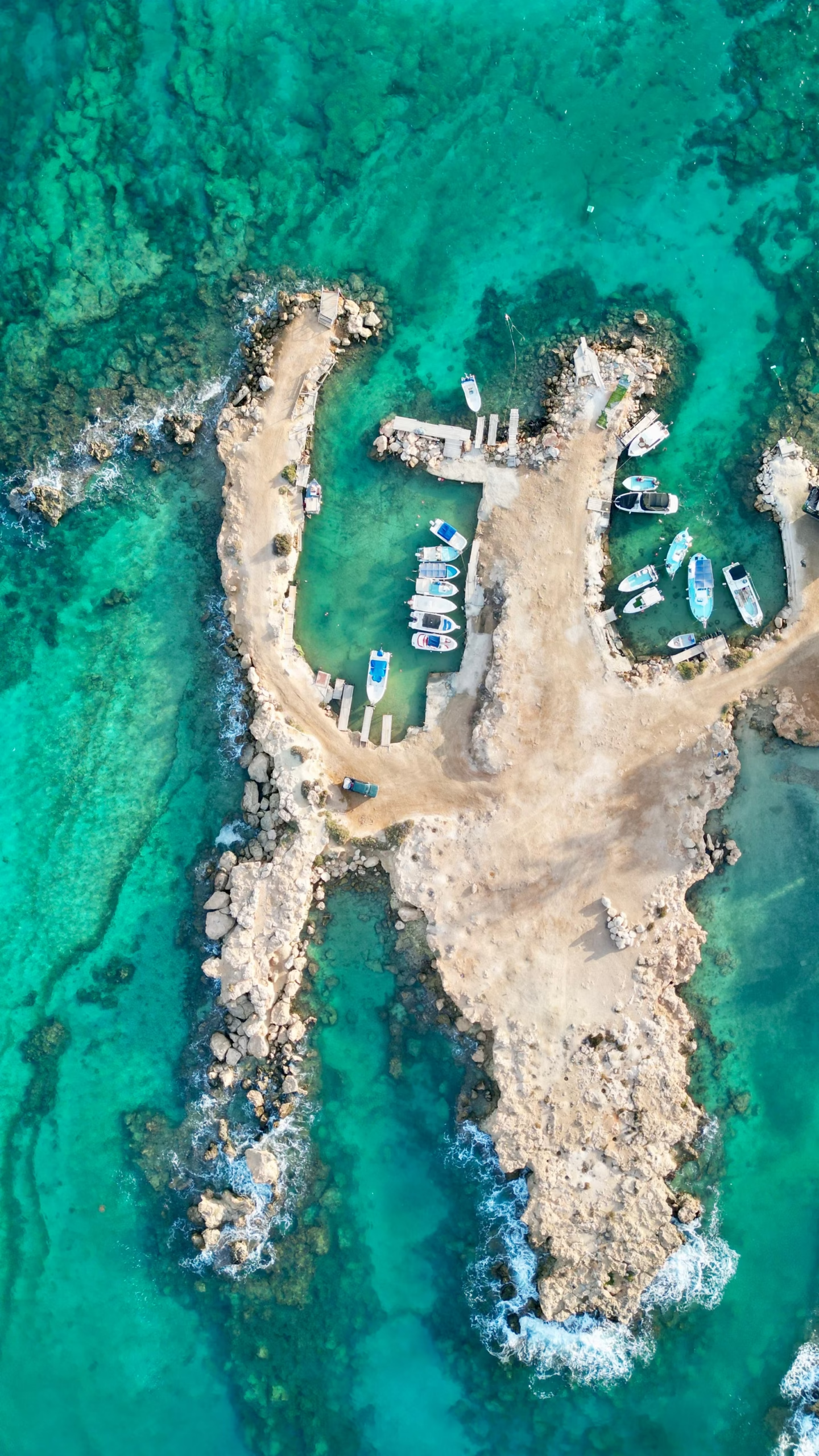
Cyprus
Cyprus knows exactly what many holidaymakers want.
Sunshine.
Lots of it.
Its long summer season makes it a reliable choice for beach holidays with resorts around Paphos, Protaras, Ayia Napa and Limassol.
But there's more to Cyprus than sun loungers.
You can explore archaeological sites, traditional villages and the Troodos Mountains or wander around historic towns before returning to the coast.
Which I'm counting as an attraction.
↑ BACK TO TOPIceland
Iceland seems to have missed the memo about landscapes needing to be remotely subtle.
There are enormous waterfalls, glaciers, volcanoes, geysers, lava fields and black-sand beaches.
Sometimes all before lunch.
The Golden Circle is an excellent introduction for first-time visitors while driving Iceland's Ring Road opens up waterfalls, mountains and coastal scenery across the country.
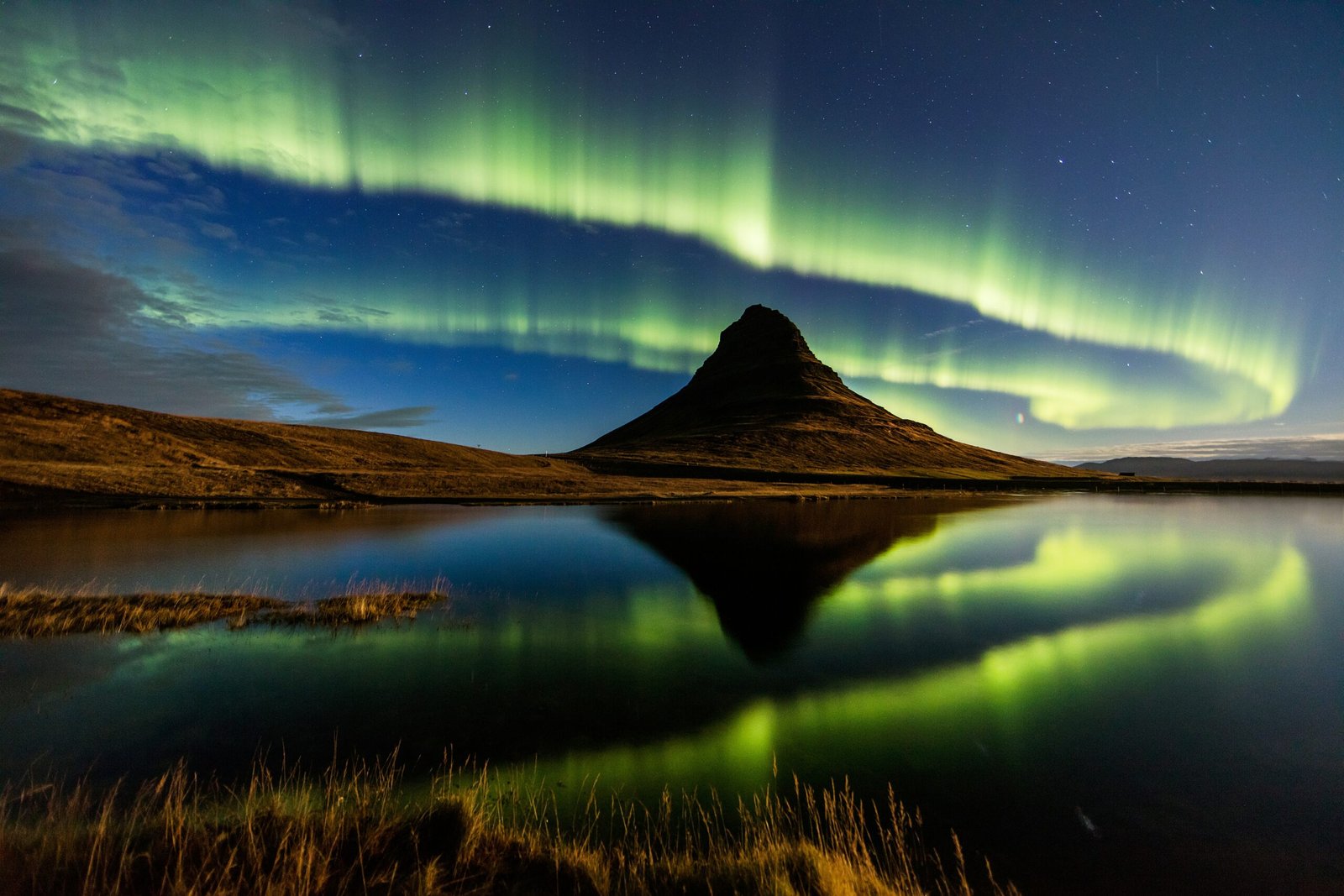
Visit during winter and you've got a chance of seeing the Northern Lights.
Travel during summer and the extraordinarily long daylight hours mean you can keep exploring well into the evening.
Just brace yourself before checking the restaurant bill.
Austria
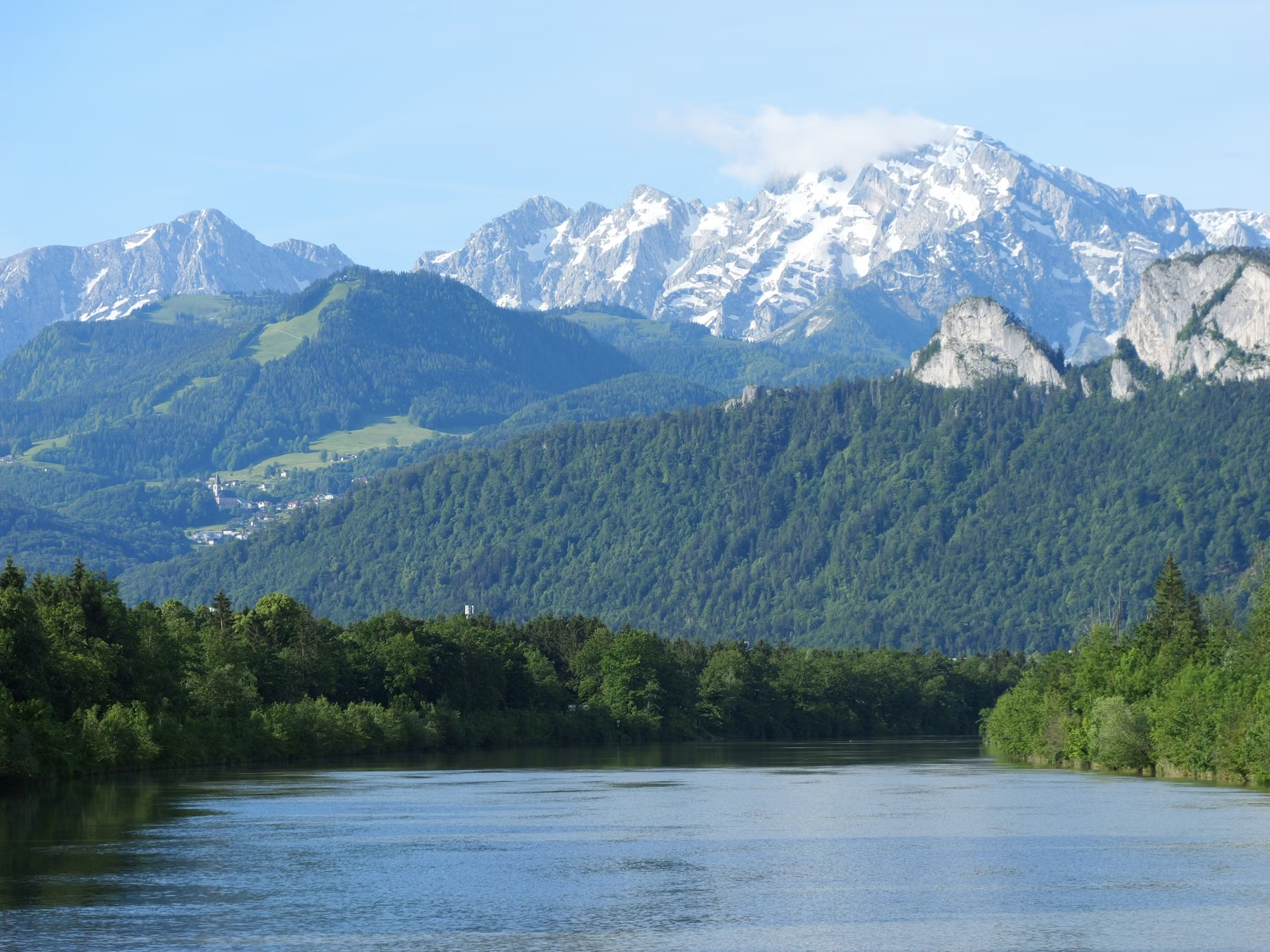
If your idea of Europe involves snowy mountains, beautiful cities and villages that look like they belong inside a Christmas decoration, Austria should be high on your list.
Vienna brings palaces, museums, classical music and grand cafés while Salzburg combines beautiful architecture with mountain scenery.
Winter means skiing and snow-covered villages while summer brings hiking, lakes and mountain roads.
Austria is elegant, ridiculously scenic and very difficult to photograph badly.
↑ BACK TO TOP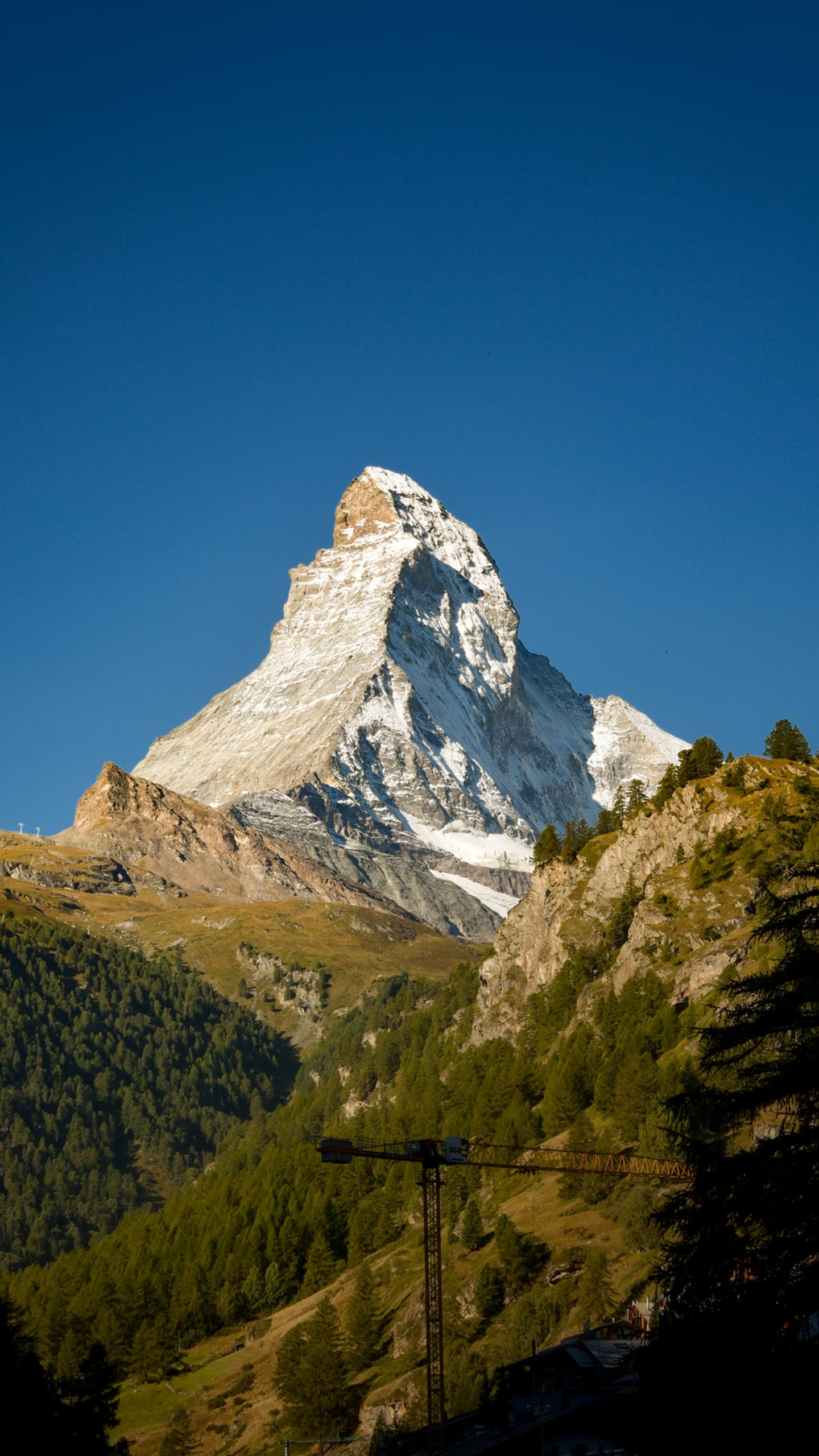
Switzerland
Switzerland appears to have been created specifically to make train journeys look spectacular.
Snow-covered mountains rise above turquoise lakes while impossibly neat villages sit amongst Alpine valleys.
Zermatt gives you views of the Matterhorn, Interlaken is surrounded by mountains and lakes and Lucerne looks like somebody has carefully arranged it for photographs.
Cities including Zurich and Geneva add shopping, museums and restaurants.
It's beautiful.
Very beautiful.
Your bank account may be slightly less enthusiastic.
↑ BACK TO TOP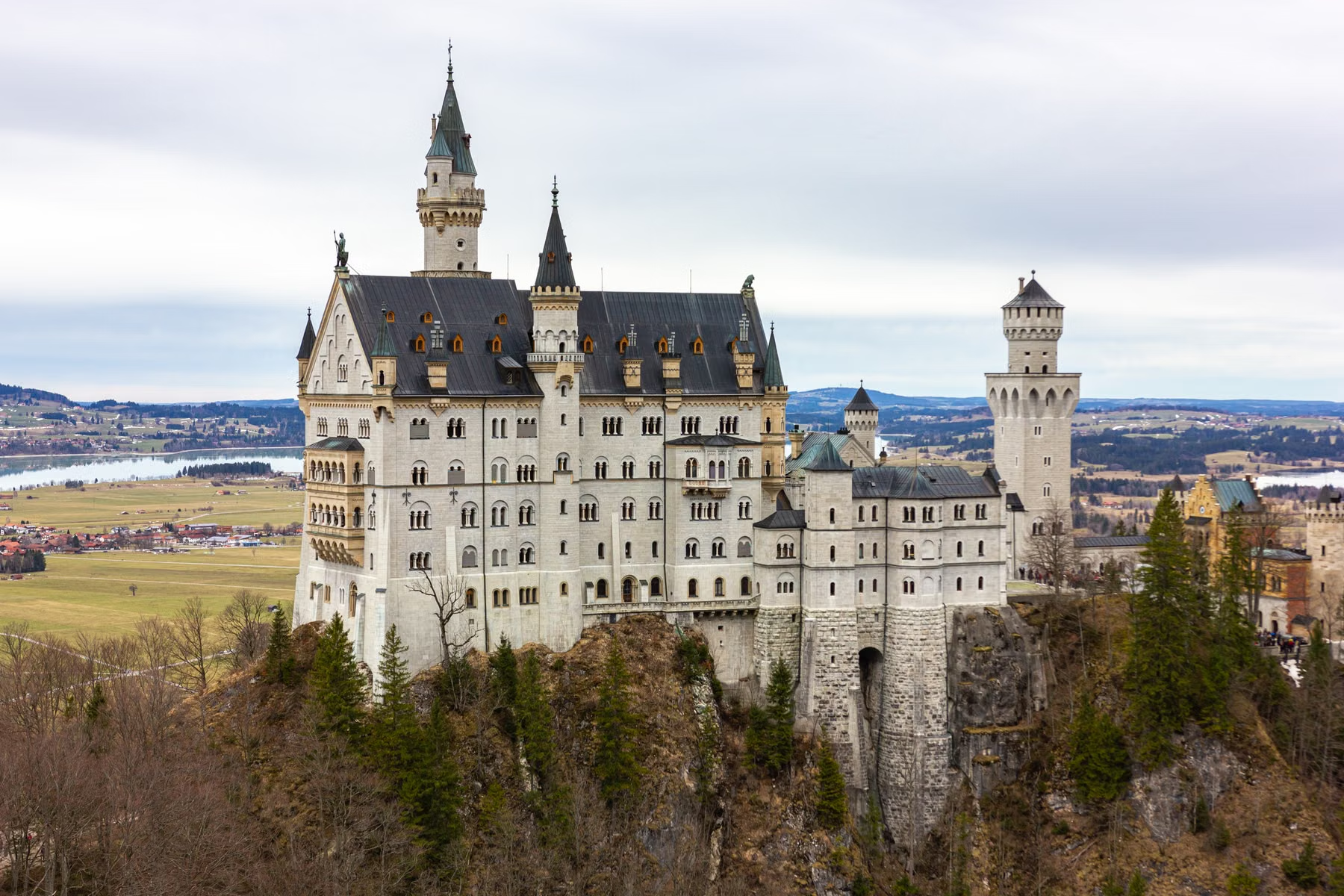
Germany
Germany is particularly good when you can't decide whether you want cities, countryside or mountains.
Berlin brings museums, nightlife and extraordinary modern history while Munich offers Bavarian traditions and easy access to the Alps.
Hamburg, Cologne and Dresden each have completely different personalities.
Then you've got the Black Forest, Rhine Valley and an impressive collection of castles.
Neuschwanstein in Bavaria looks so much like a fairy-tale castle that it's almost showing off.
Visit towards Christmas and Germany becomes even more dangerous.
Christmas markets appear everywhere and suddenly you're standing in a medieval square holding mulled wine and wondering whether you actually need another wooden decoration.
Czechia
Prague is one of those European cities that really does live up to the photographs.
The old town is filled with historic buildings and cobbled streets while Charles Bridge crosses the Vltava beneath Prague Castle.
It's particularly beautiful in the evening when the city lights begin reflecting across the river.
But Czechia has plenty beyond Prague.
Český Krumlov looks like a miniature fairy-tale town while spa towns and countryside provide plenty of reasons to explore further.
It's also an excellent choice if you fancy a European city break without Paris or Amsterdam prices.
↑ BACK TO TOP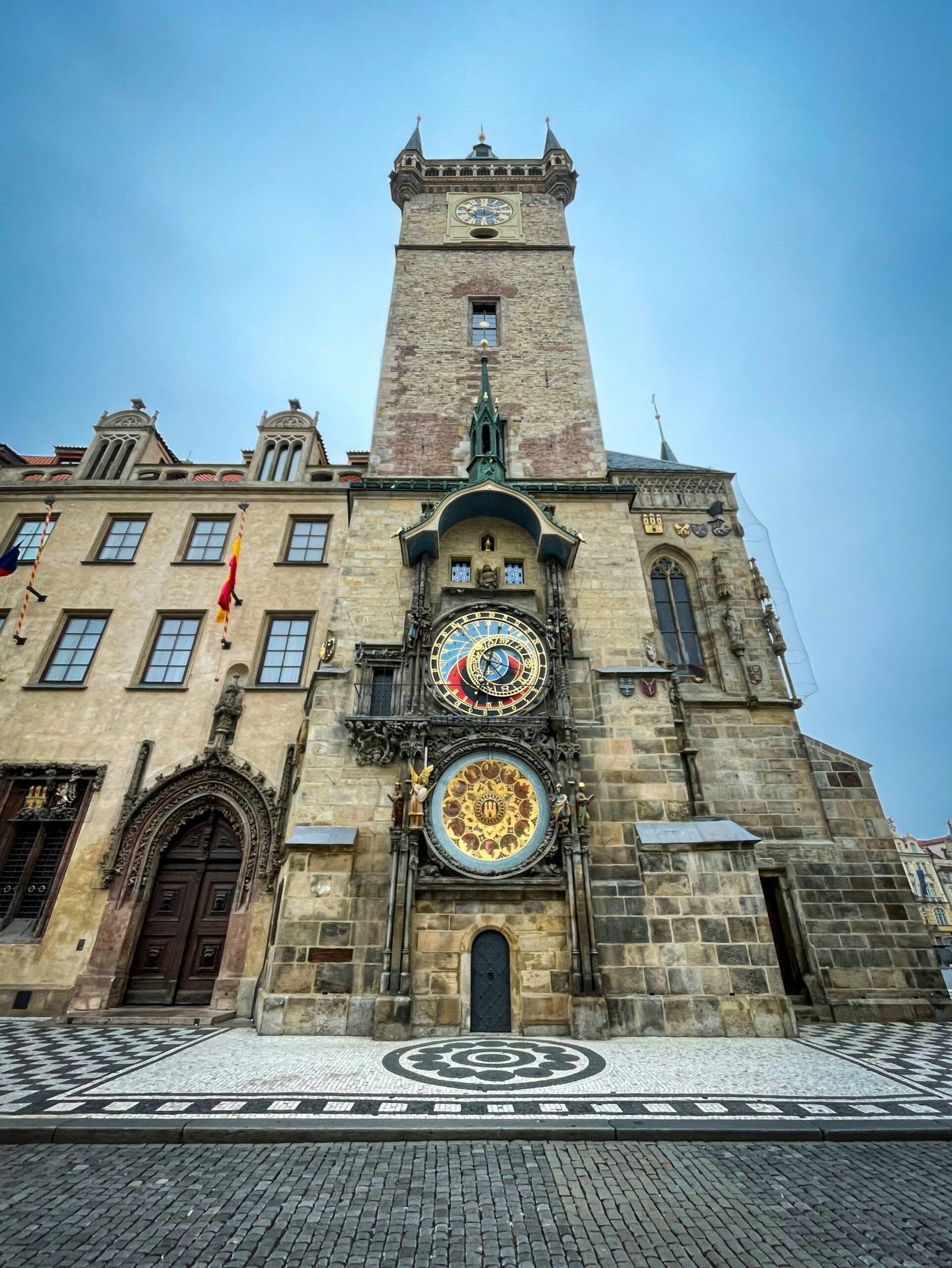
Hungary
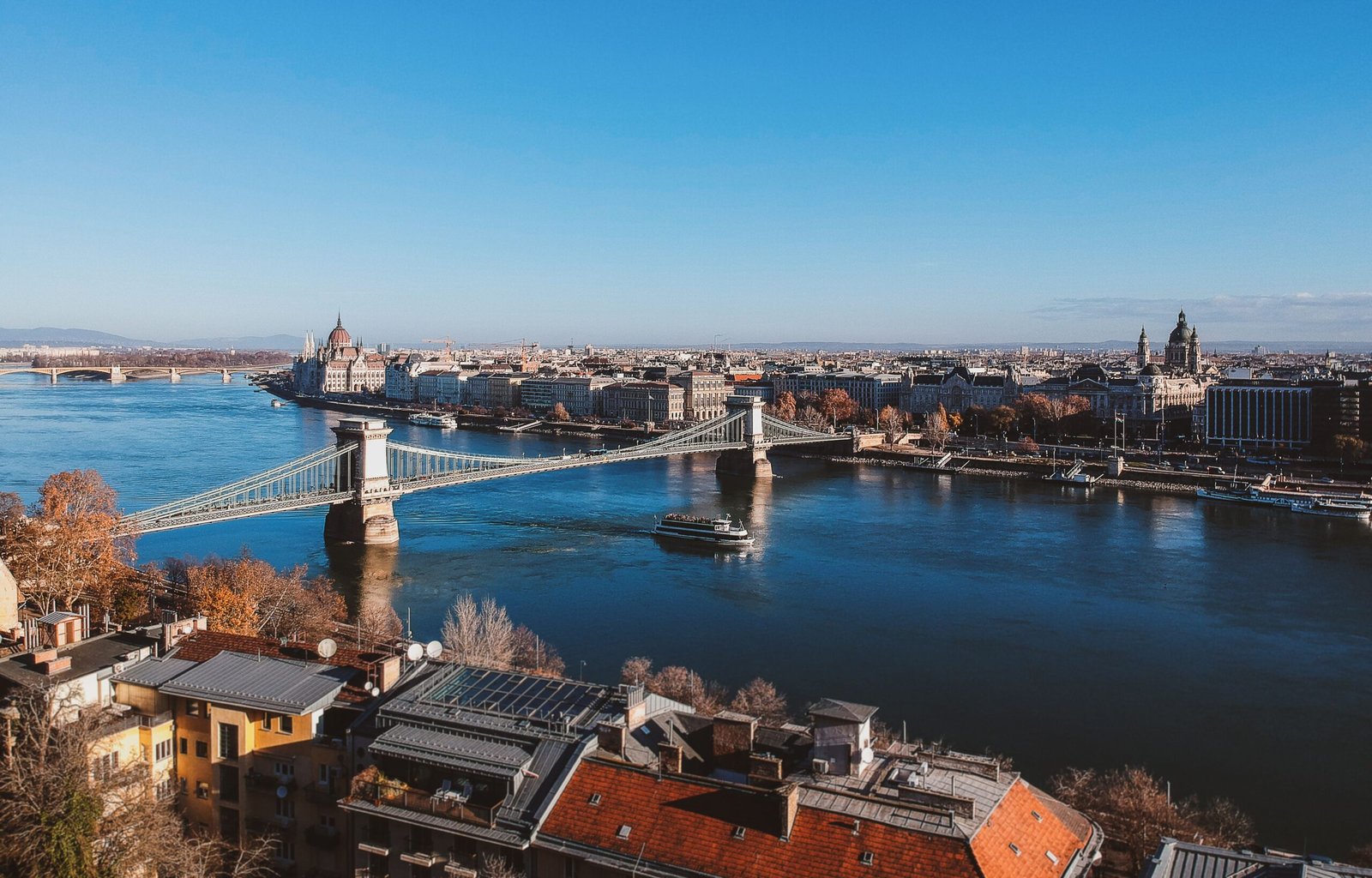
Budapest manages to be grand, beautiful and slightly quirky all at once.
The Danube divides the historic areas of Buda and Pest with the Hungarian Parliament Building sitting dramatically beside the river.
There are palaces, markets and beautiful viewpoints but Budapest's thermal baths are one of its most famous attractions.
Spending an afternoon sitting in naturally heated water while technically sightseeing is a holiday activity I can fully support.
The city's ruin bars, restaurants and nightlife make it equally good once the sun goes down.
↑ BACK TO TOP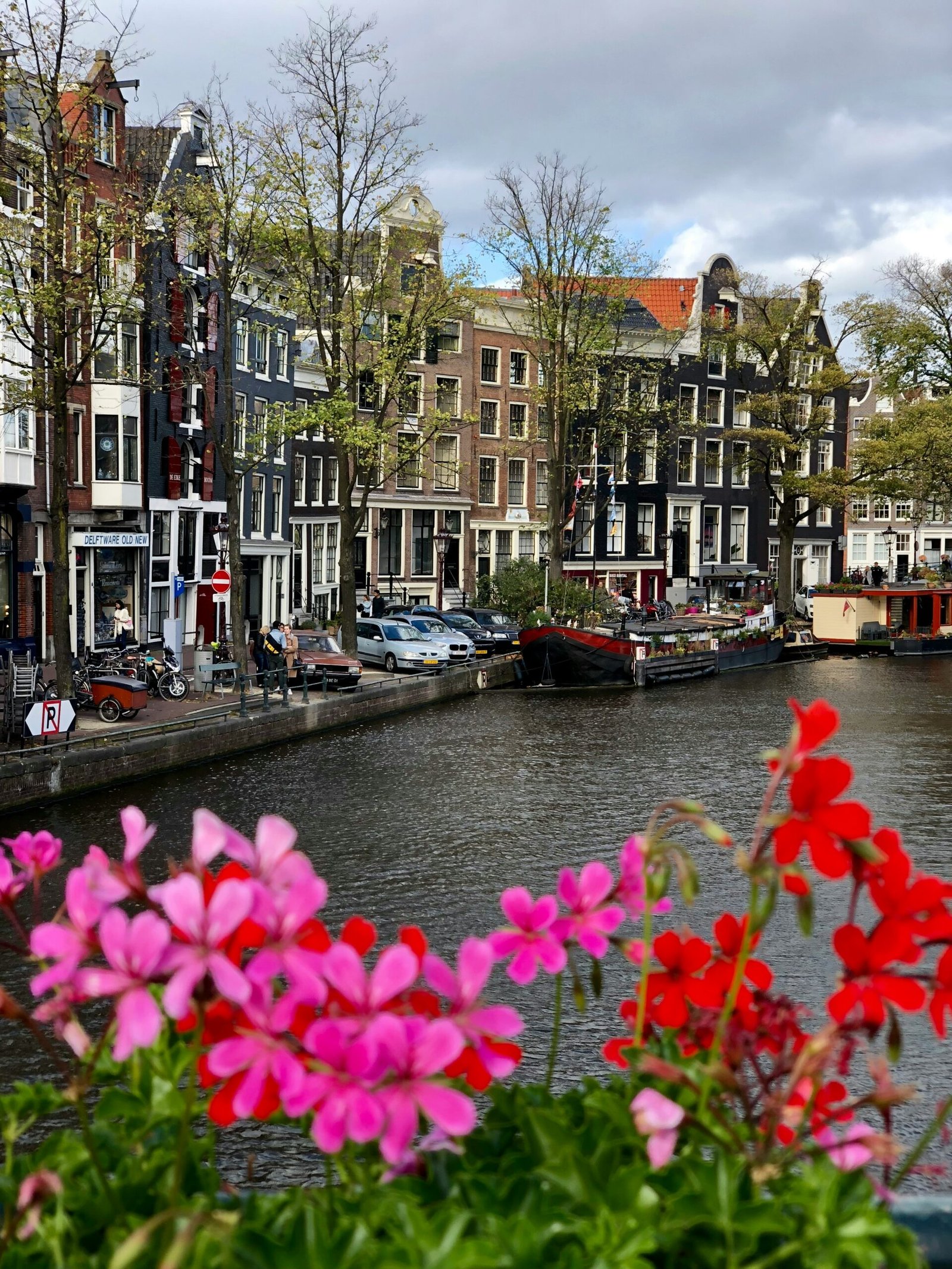
Netherlands
Amsterdam is an obvious favourite for a short European break.
Canals wind between narrow historic houses while museums including the Rijksmuseum and Van Gogh Museum provide plenty to see when you're not wandering around the city.
Spring brings enormous displays of tulips while destinations such as Kinderdijk showcase the windmills we all immediately associate with the Netherlands.
Rotterdam, Utrecht and The Hague are also well worth exploring.
One important piece of advice.
Do not wander casually into a cycle lane.
Norway
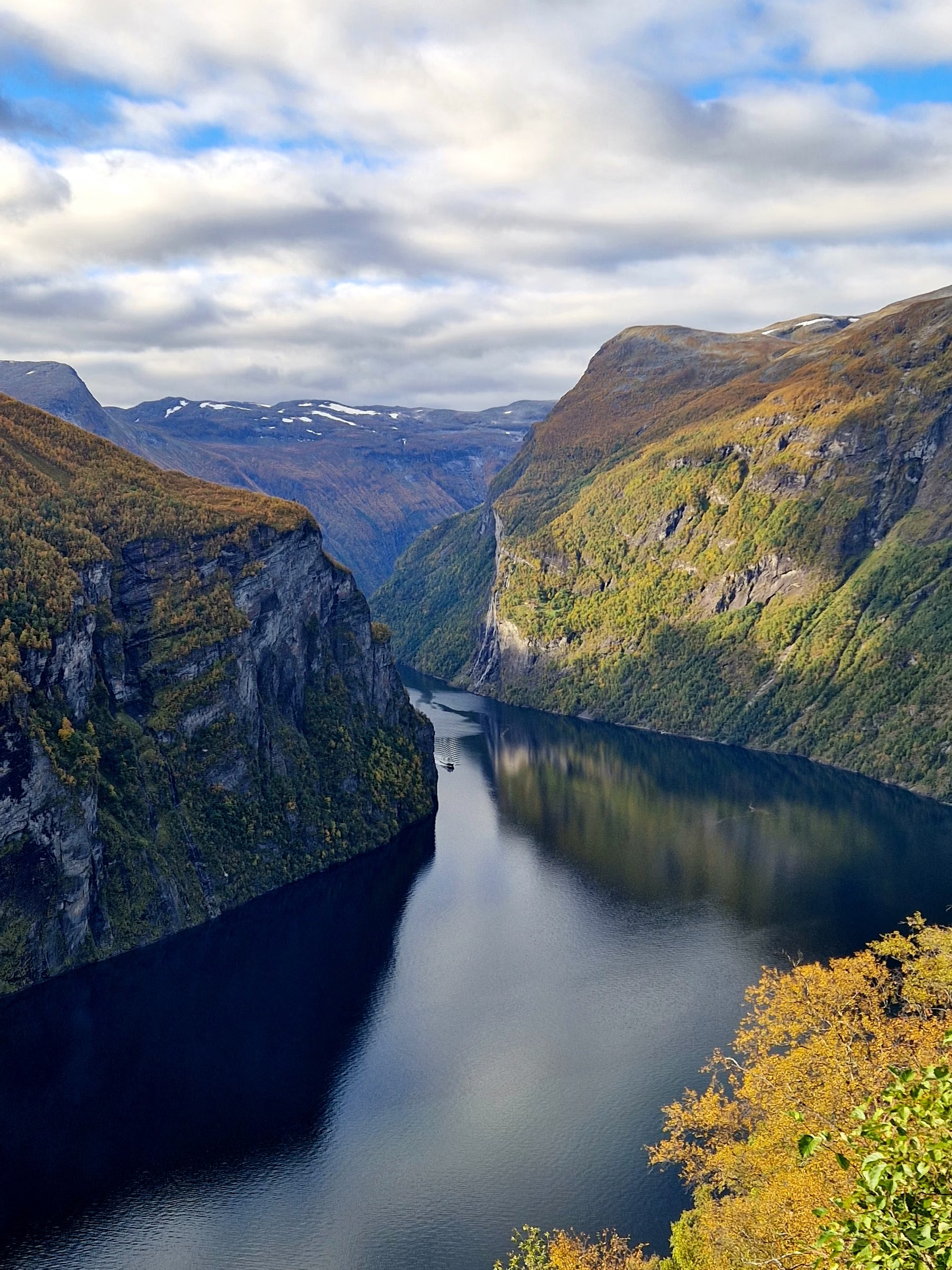
Norway has apparently decided that normal-sized scenery simply isn't impressive enough.
Its fjords slice between enormous mountains while waterfalls tumble down cliffs into ridiculously beautiful valleys.
Bergen is a popular gateway for exploring the fjords while Oslo combines waterfront architecture, museums and restaurants.
Head further north and Tromsø becomes a base for Northern Lights adventures during winter.
Summer brings the midnight sun when daylight seems to have forgotten it's supposed to go home.
Norway isn't cheap.
But it's very difficult to look at a Norwegian fjord and remain annoyed about the price of your coffee.
↑ BACK TO TOPIreland
Ireland makes road trips wonderfully difficult because you keep wanting to stop the car.
Dublin gives you history, pubs, live music and plenty to explore while Galway provides a brilliant base for discovering the west coast.
The Wild Atlantic Way delivers dramatic coastal scenery with the Cliffs of Moher amongst its most famous landmarks.
Then there are Connemara, the Ring of Kerry and countless small towns and villages along the way.
The weather may occasionally throw everything it has at you.
Somehow Ireland still looks beautiful.
↑ BACK TO TOP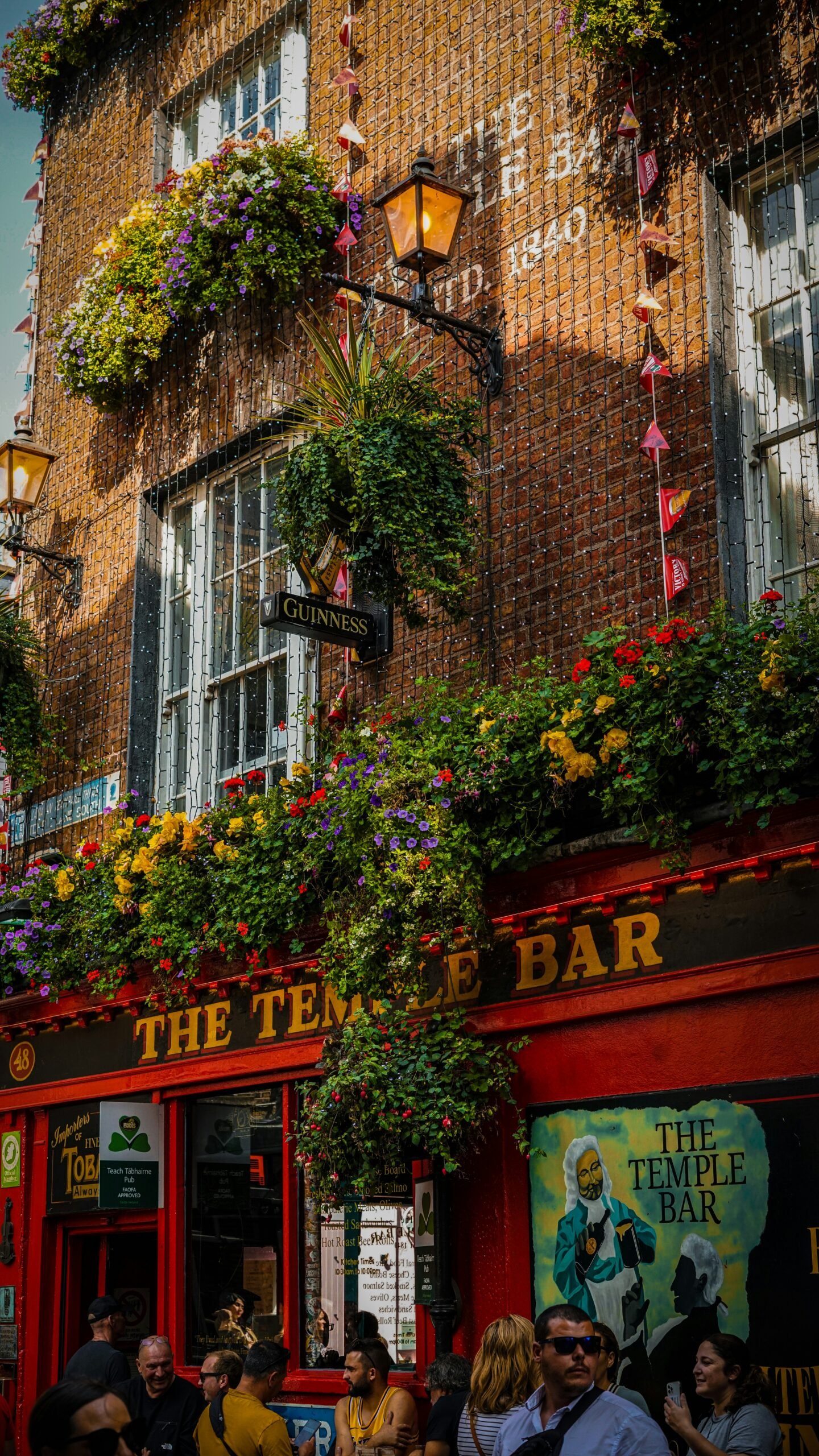
Montenegro
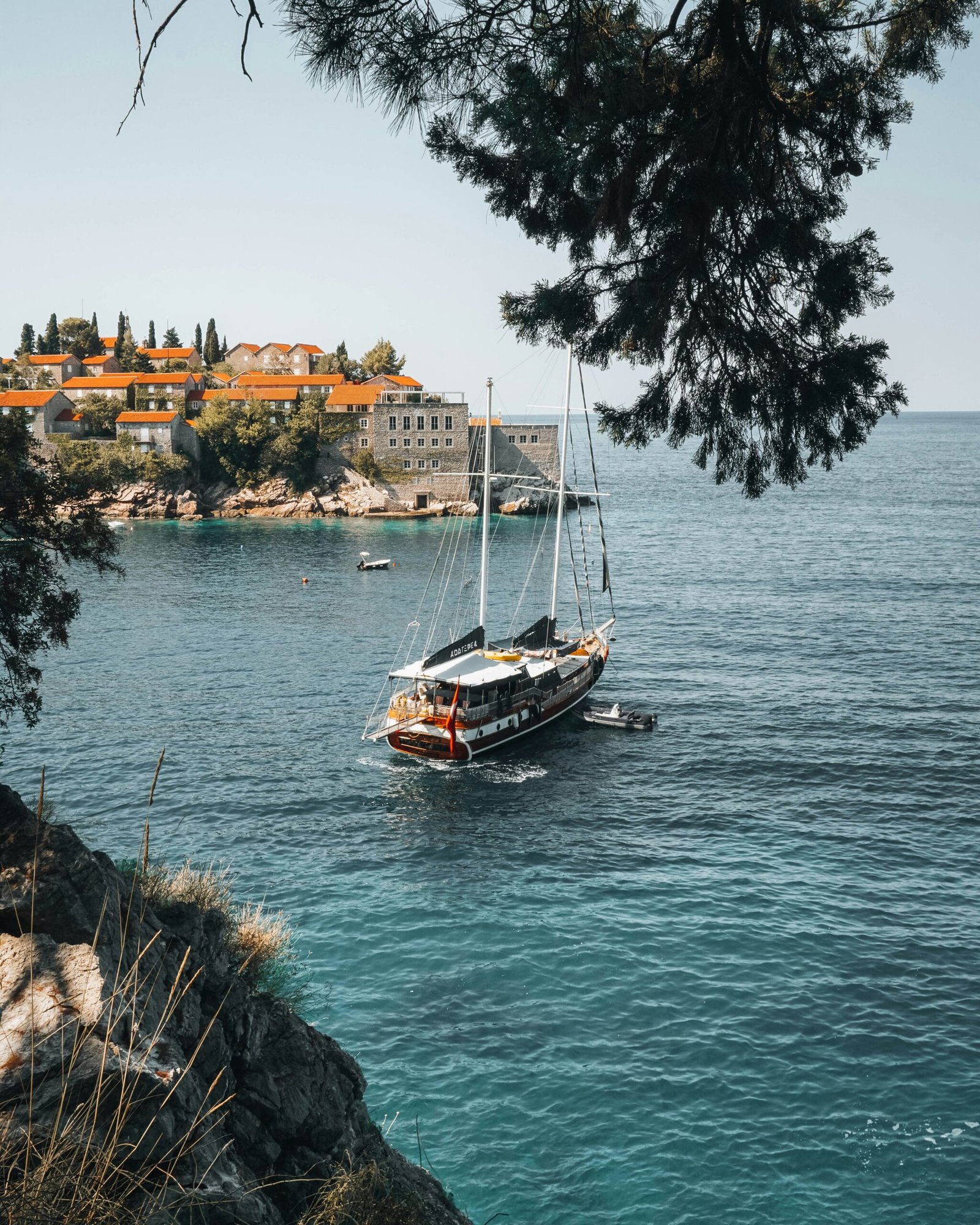
Montenegro is tiny but seems determined to fit as many mountains, beaches and beautiful old towns into its borders as physically possible.
The Bay of Kotor is the headline attraction with dramatic mountains rising almost directly from the water.
Kotor itself has medieval streets and enormous defensive walls while Budva brings beaches and nightlife.
Head inland and Durmitor National Park offers hiking, lakes and spectacular mountain scenery.
If Croatia appeals but you'd quite like somewhere a little less obvious, Montenegro is worth a serious look.
↑ BACK TO TOP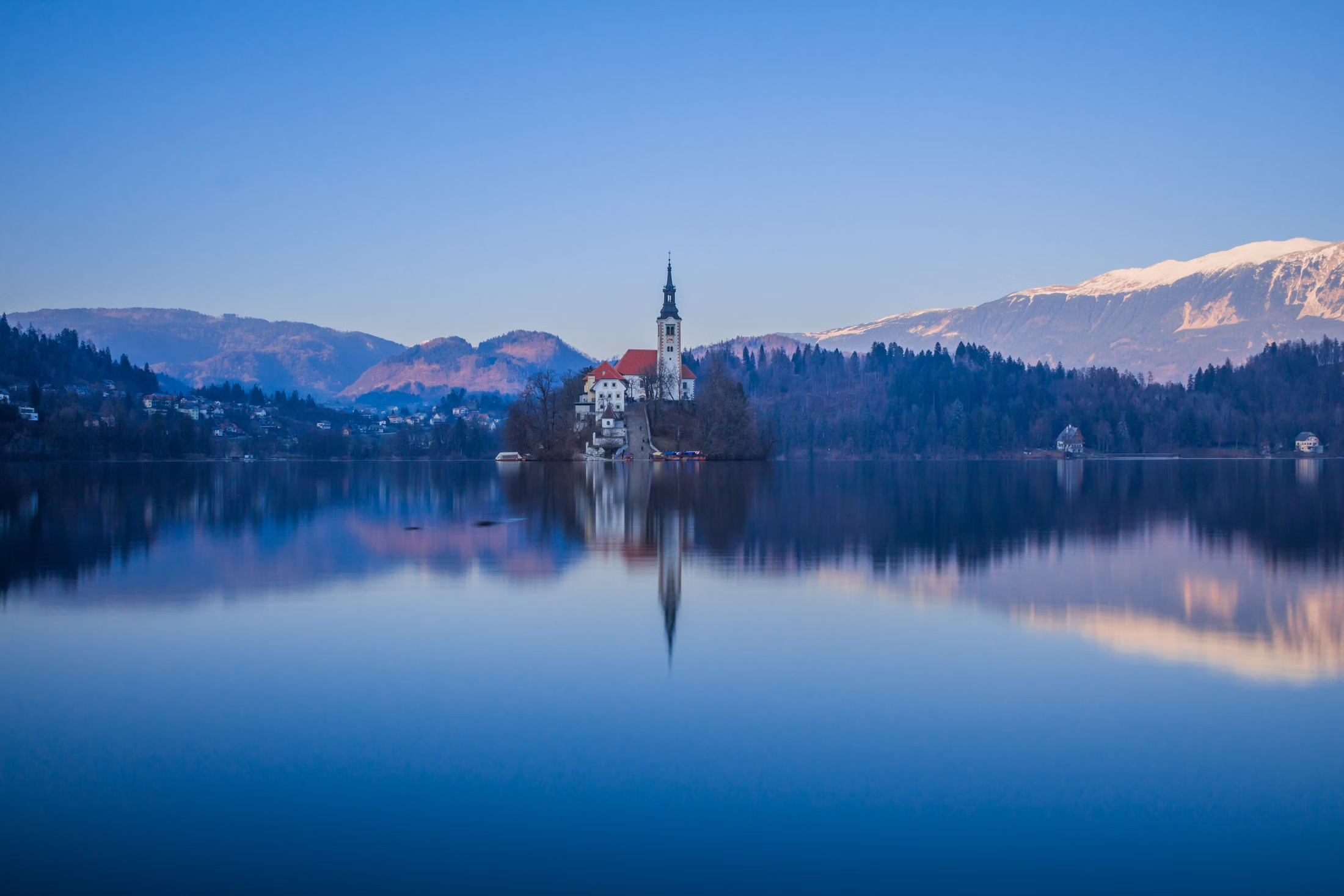
Slovenia
Slovenia feels like several European holidays squeezed into one conveniently sized country.
Ljubljana is small, attractive and easy to explore while Lake Bled has become one of Europe's most recognisable landscapes.
There's a church sitting on a tiny island in the middle of the lake with mountains rising behind it.
Subtle it isn't.
Triglav National Park provides hiking and Alpine scenery while Slovenia even manages to squeeze in a small section of Adriatic coastline.
You could easily come here for a city break and accidentally end up planning an entire road trip.
↑ BACK TO TOPSO, WHERE IN EUROPE
SHOULD YOU GO?
And this is where the problem begins.
If you want sunshine, beaches and those lovely warm evenings where dinner somehow starts at 9pm, I'd be looking towards Spain, Greece, Portugal, Italy, Turkey, Croatia, Cyprus or Malta.
For a holiday combining food, culture and some of Europe's greatest cities, it's very difficult to argue against Italy, France or Spain.
If dramatic scenery is the priority, Iceland, Norway, Switzerland, Austria and Slovenia are going to keep your camera extremely busy.
For a classic European city break, France, Italy, Germany, Czechia, Hungary and the Netherlands give you some brilliant options within a relatively short flight from the UK.
And if you fancy somewhere that's becoming increasingly popular but still feels a little different, Montenegro, Slovenia and parts of Croatia are well worth exploring.
That's what makes Europe such an easy part of the world to keep returning to.
One trip could mean wandering through Rome with a gelato.
The next could involve watching the sunset from a Greek island, driving along Portugal's Atlantic coast, floating through the mountains of Cappadocia in a hot-air balloon or standing beneath an enormous waterfall in Iceland.
You can go somewhere completely different without necessarily travelling very far at all.
Which is excellent news for travellers.
Slightly less helpful when you're trying to decide where to book.
Because the biggest problem with planning a European holiday isn't finding somewhere worth visiting.